April 26
PIONEERS STORIES: Aaron + Shaun Guardado
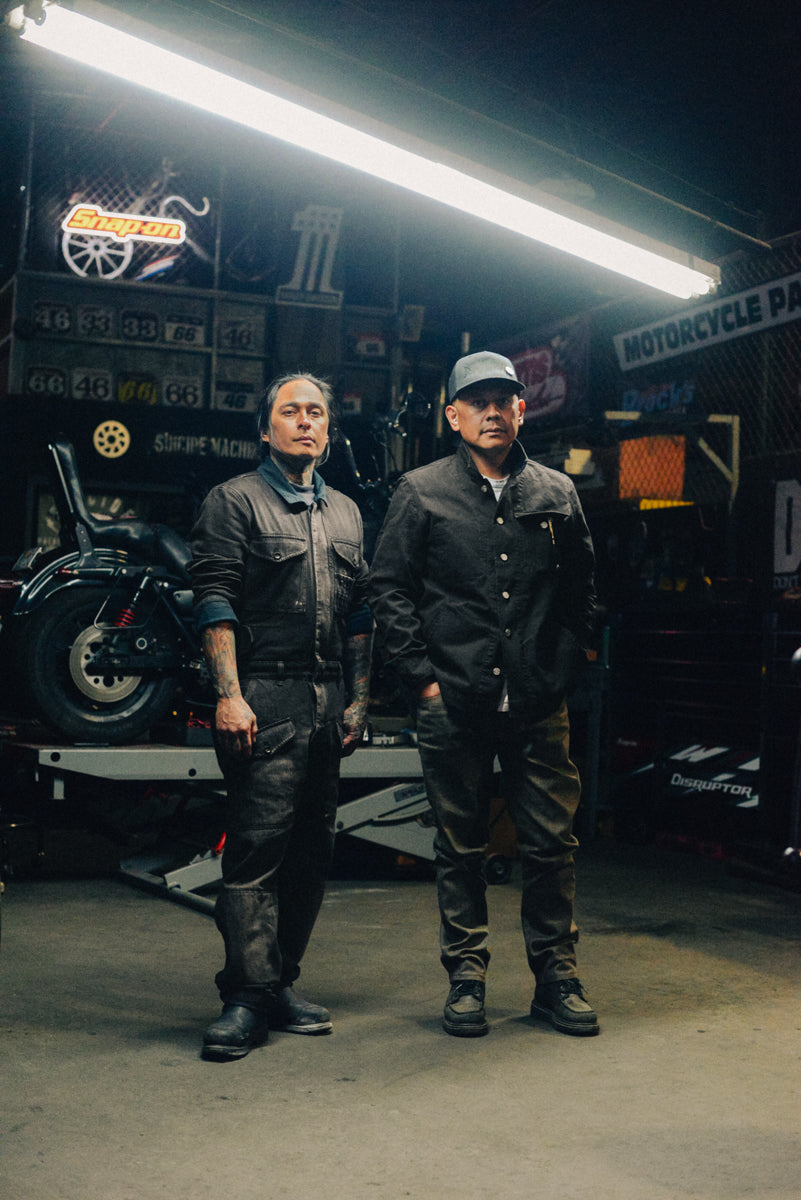
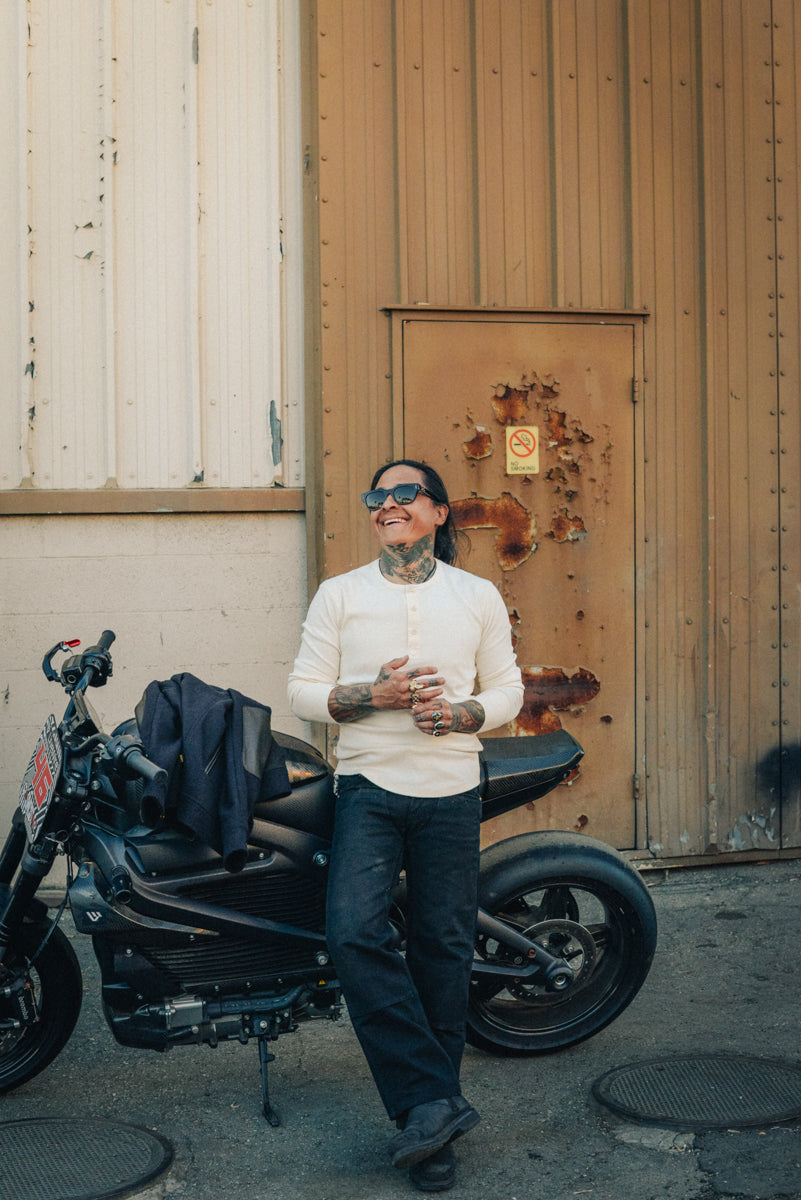
Aaron and Shaun Guardado are brothers, both in blood and in business.
In 2010, they started Suicide Machine Co., or SMCo, a Long Beach, California-based custom motorcycle shop that celebrates the ethos of “fast, loud, death proof.”
Together they’ve stood on flat-track podiums, raced at X Games, smashed up jalopies at demolition derbies, and travelled the world to show off their machines at custom motorcycle shows.
The Guardados are respected across the custom motorcycle world for their boldness and tenacity. Older brother Shaun prefers wrenching on in-your-face builds, while younger brother Aaron leans into connecting with people.
It’s an effortless symbiosis that’s been there since childhood.
“By yourself, you're not complete, as much as you think you are,” Shaun says. “Having Aaron here really complements my shortcomings.”
We sat down with these “death proof” Pioneers to talk about motorcycles, custom culture, and their commitment to craft.
What is your definition of a Pioneer?
“Pioneer to me, is probably someone just out there trying to figure out some new territory I may not be familiar with, or other people may be a part of it.
Maybe just go find a different path, something a little bit different than what everyone else is doing.
Yeah, I think pioneer to me is someone who is at the forefront trying to find their way and find what a path forward that is not like necessarily the given path. You know, trying to find something cool or find something that is like the route least traveled.
Custom culture and customisation kind of go hand in hand, I guess. But I think being able to customise the things that my brother and I are doing and putting our passion and our interest into it kind of stands out and people see that, and it kind of sets us apart from the general public.
I think that custom culture is, you know, really just exemplifies what people are doing outside of the factory stuff. You know, custom culture really encompasses just everybody's aspirations for making something or making a project their own, adding their personal touch to it to give it a little bit more, personalisation.”

QUICK ADD
QUICK ADD
QUICK ADD
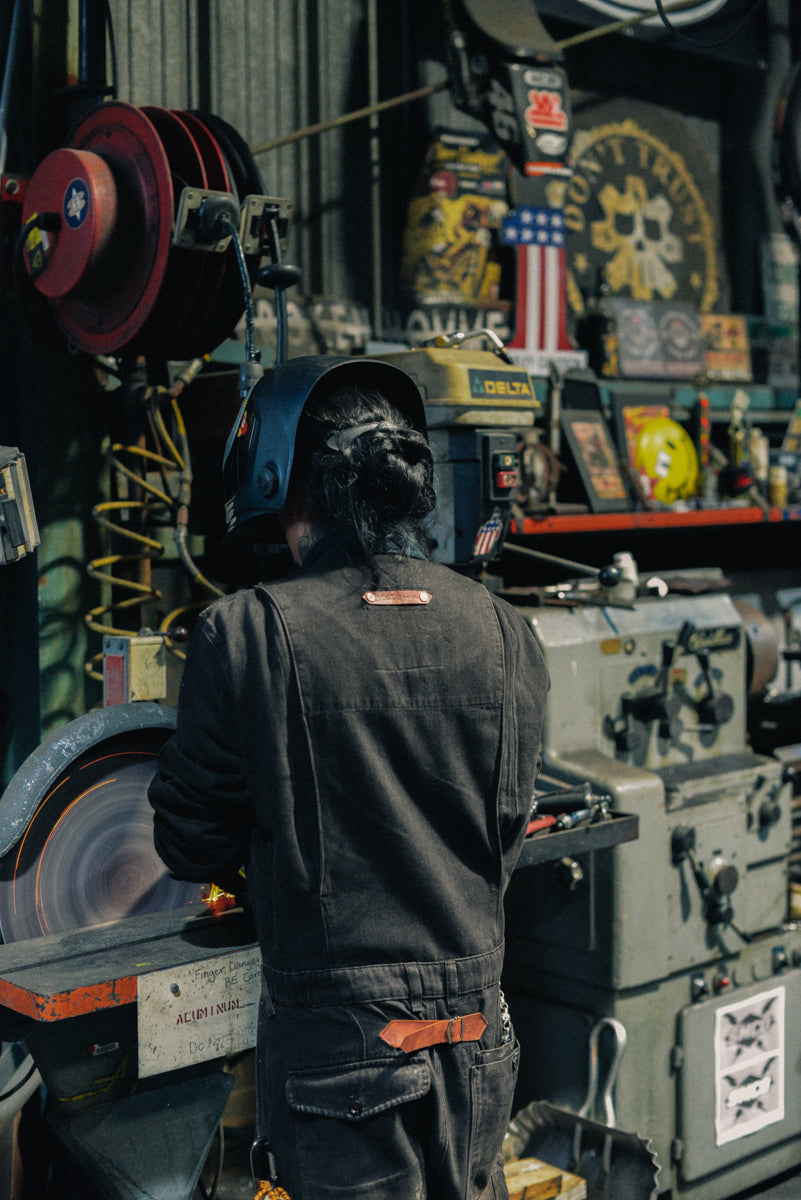
When did this stop being a hobby and start becoming something more serious?
“I don't know that this has really ever felt super serious. It still is a hobby. It is. It's a labour of love and it's something that yes we do, we are provided income from. But at the same time, it's something that it's more about the opportunity and the, the ability to express ourselves.
Given if it's a car, a motorcycle, anything that we build here is just really something that, is more of a passion than an obligation.
Yeah not even the last couple things, like the tables, you know, we're done some tables, we've done some stuff on houses during Covid doing like some crazy pool railing or some custom windows to match, some crazy house in Venice.
Doing all that stuff is a little outside the ordinary, but that’s the point customisation is something people see and want. Being able to provide that is pretty cool.
The hobby side of it is that it never feels forced. It’s not like a job where you have to do things a certain way.
It’s something we both thoroughly enjoy, so it’s more about the love of it and getting to do it.


QUICK ADD
Where do you draw the line between chasing perfection and knowing when to let something go?
“For me? I think that's one of the most difficult things in doing this.
Is to kind of understand what the limitations are in reaching perfection always, you know, it's something that I strive for personally, but at the same time, I understand that there are time frames, there are. You can't spend three weeks on every detail as much as you want to.
So, you know, it's really just about trying to find a balance between the two, between what's acceptable to myself, but also at the same time pushing myself to be better than I was last time.

QUICK ADD

QUICK ADD
QUICK ADD
Working Together + What They’re Chasing
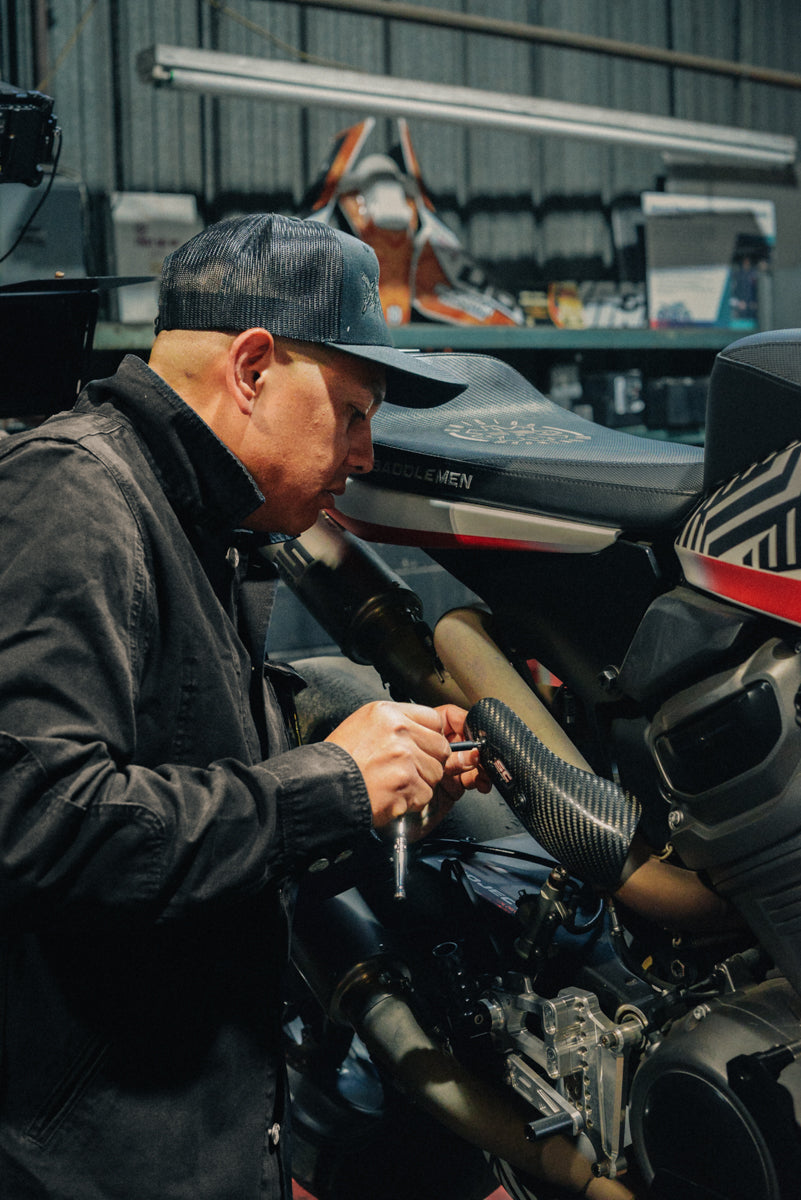
“I think when we’re working together, there aren’t really set rules. It’s more about knowing what each of us is good at. There are certain things he does really well, so he takes those on, and the same goes for me. There’s a balance there.
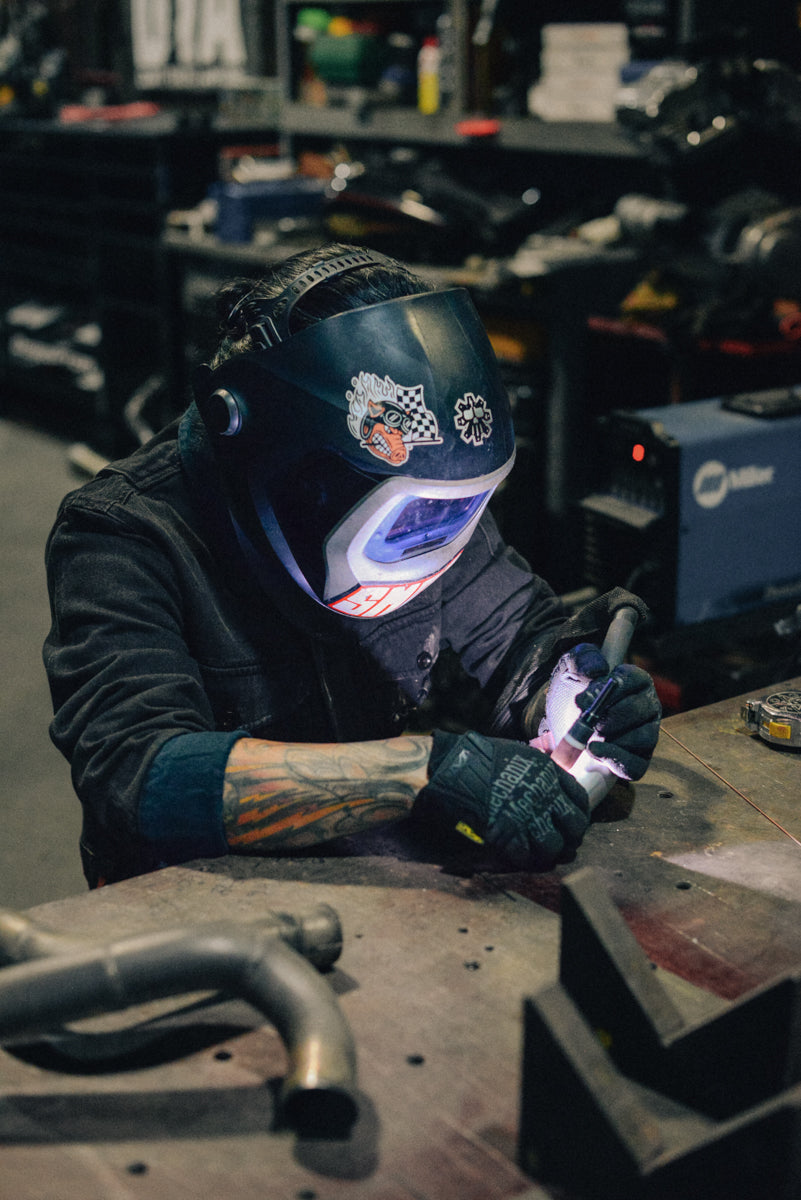
That’s why it works—we both have our part to play. If we were both trying to do the same thing, it wouldn’t make sense. Like welding, for example—he’s better at it, so he handles that. I’m not even going to try.
We’ve worked together long enough to understand each other—our personalities, our strengths, and our weaknesses. It’s about knowing where you fit and letting the other person step in where they’re strongest.”

QUICK ADD
QUICK ADD
What are you still chasing? And does “enough” even exist for you?
“As an artist or fabricator, you know, the pursuit of ideas is the pursuit of ideas and bringing those ideas to life.
So, you know, to go from an intangible thought and to go from an intangible thought to a tangible item is something that's it's a constant journey forward to kind of make that a reality.
And that's something I find immense amount of joy in."
QUICK ADD
QUICK ADD
QUICK ADD
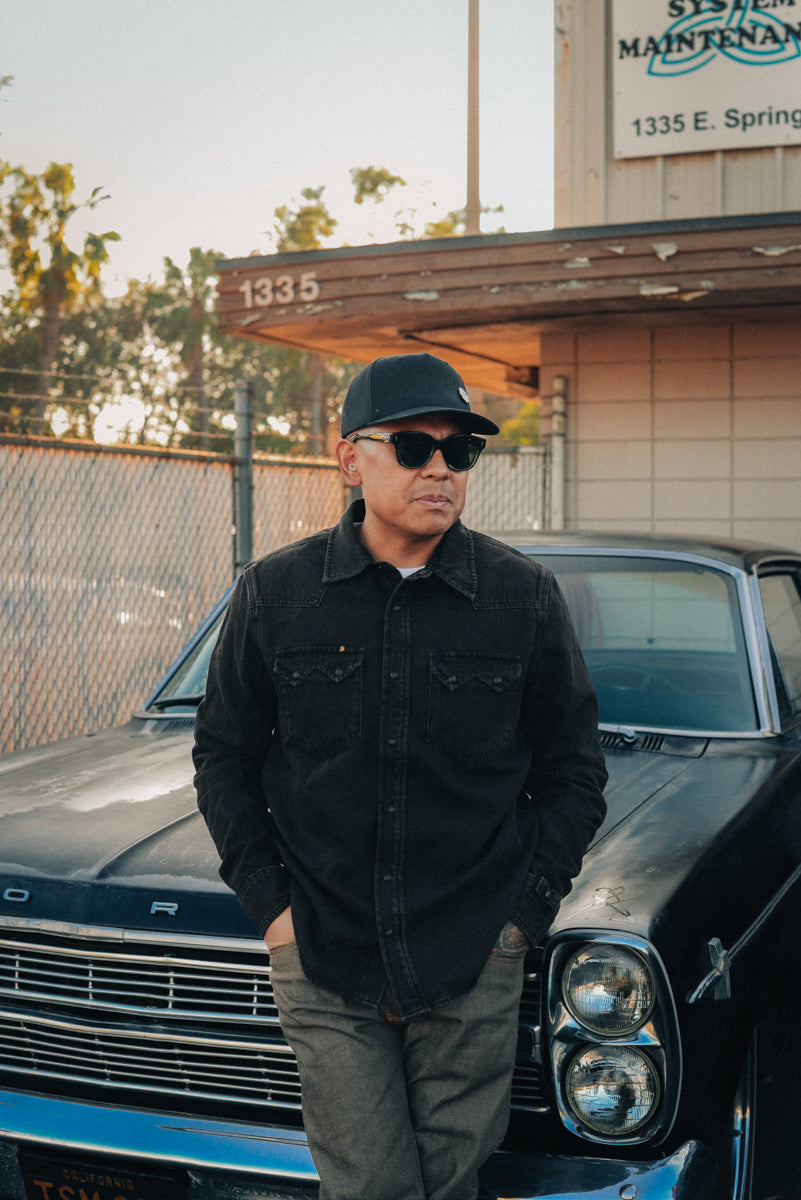
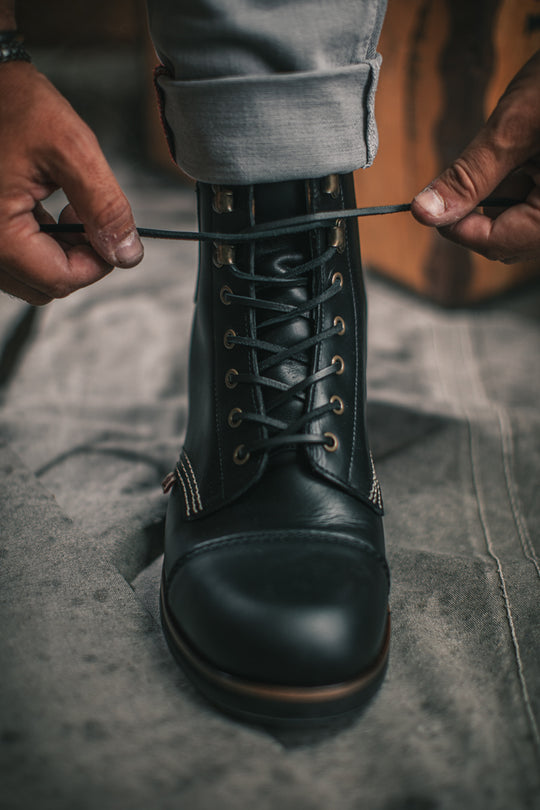
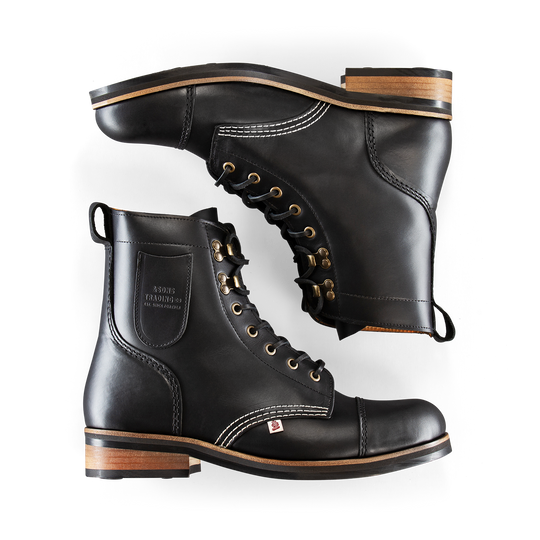
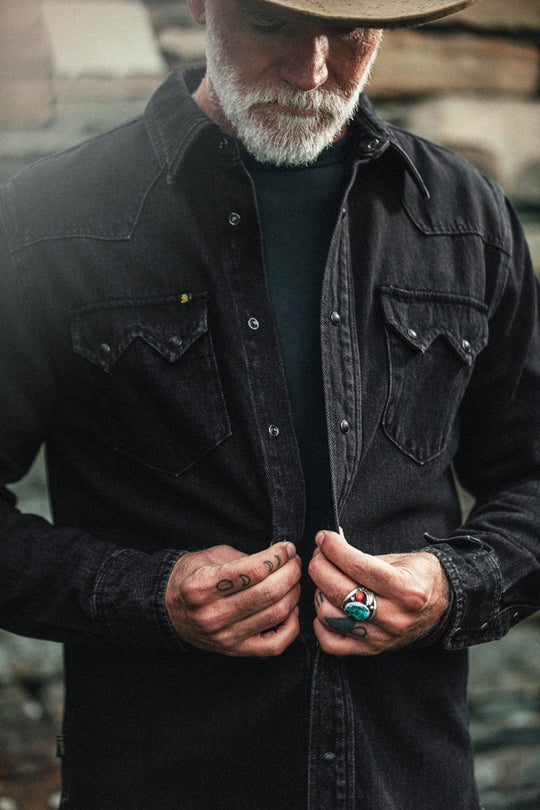
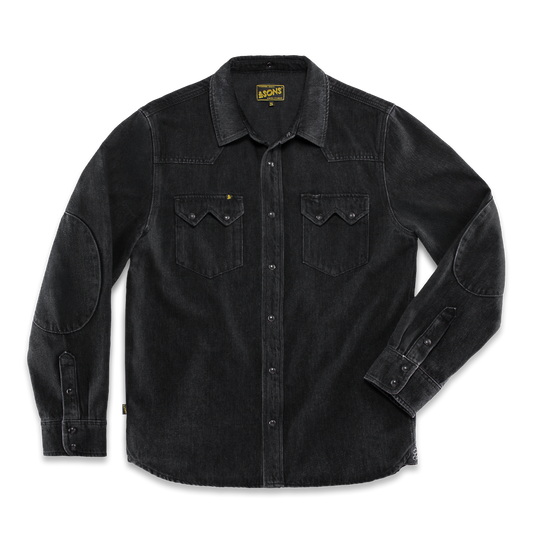
What they look for in clothes - durability, style, fabrics…
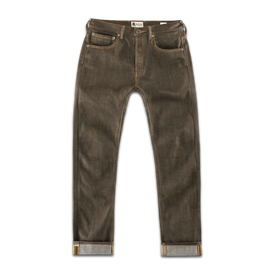
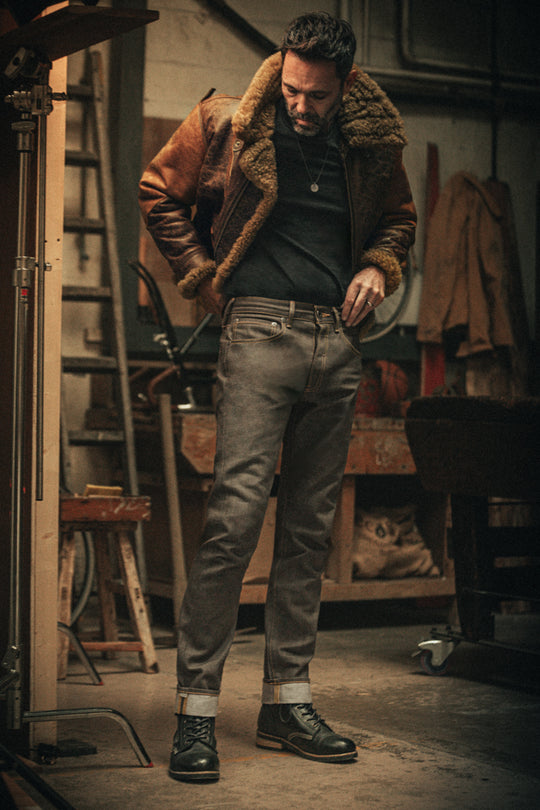
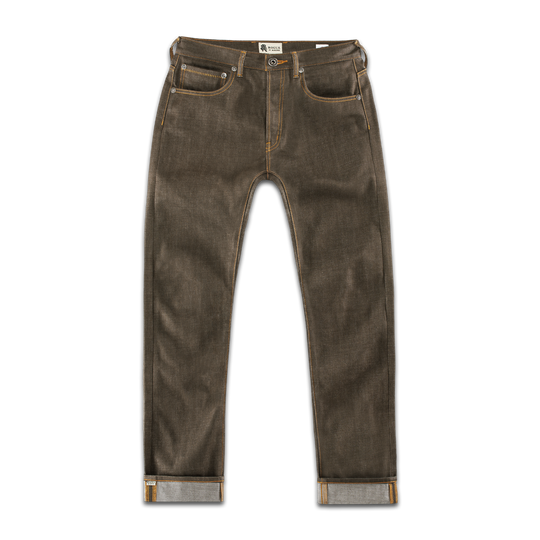
“I think in a garment for me, something that's going to last, something that doesn't fall apart, that kind of stays true. To fit, I think, is important.
I mean, like if you wear pants that. I mean, I've had the same pants since high school that I've worn, and, like, I mean, I could still put them on. They may not be that clean or whatever, but they still fit perfectly. They're exactly what I want.
And I find that, you know, it doesn't matter how much it cost because it's like whether it's really expensive or really cheap, as long as it's good, it fits well. Like, that's all I'm worried about.
I tend to look for, you know, quality of construction, premium materials.”
QUICK ADD
QUICK ADD

pioneers Sep 26
Pioneer Stories: Charley Boorman - Adventure, Friendship and the Open Road

Sep 26
&SONS at Goodwood Revival with Chris Harris

pioneers Aug 26