October 26
UNSEEN CITIES - TORONTO
Years ago, we started Unseen Cities as a way of looking at familiar places differently.
Not through the usual travel guide, and not with a list of the ten things everyone tells you to do.
The idea was to look a little closer.
To notice the streets people actually use, the places they recommend, the things worth slowing down for and the parts of a city that are easy to miss when you are moving from one landmark to the next.
We’re bringing the series back.
The idea is much the same. We’ll still visit the places worth seeing, because sometimes the obvious things are obvious for a reason. But we also want to know what sits around them.
Where do you go when the crowds get too much? What should you order? Which neighbourhood is worth getting lost in? What would someone who lives there tell you to do differently?
First stop, Toronto.
I always think you learn more about a city by looking at the bits people walk past.
Toronto is full of the obvious stuff. The CN Tower, Niagara Falls, the waterfront. I saw all of those, and I’m glad I did.
But the things I came back thinking about were slightly different.
The working boats on the lake. The old steel underneath the newer city. The streetcars. The food. And just how quickly things can change once you move away from the busiest parts.
So this isn’t really a guide to Toronto.
It’s more a collection of things I noticed, and a few things I wish someone local had told me before I went.
SEE THE CITY FROM THE OTHER SIDE
The first thing that struck me about Toronto was the water.
You can spend all day looking up at the city, but I think it makes far more sense once you look back at it from Lake Ontario.
From the islands, the skyline suddenly has space around it. The CN Tower stops being this enormous thing directly above you and becomes part of the whole city.
If I went back, I’d spend more time out there.
The local advice seems to be to move away from the busiest parts of Centre Island and head towards Ward’s Island, which is quieter and more residential.
That appeals to me.
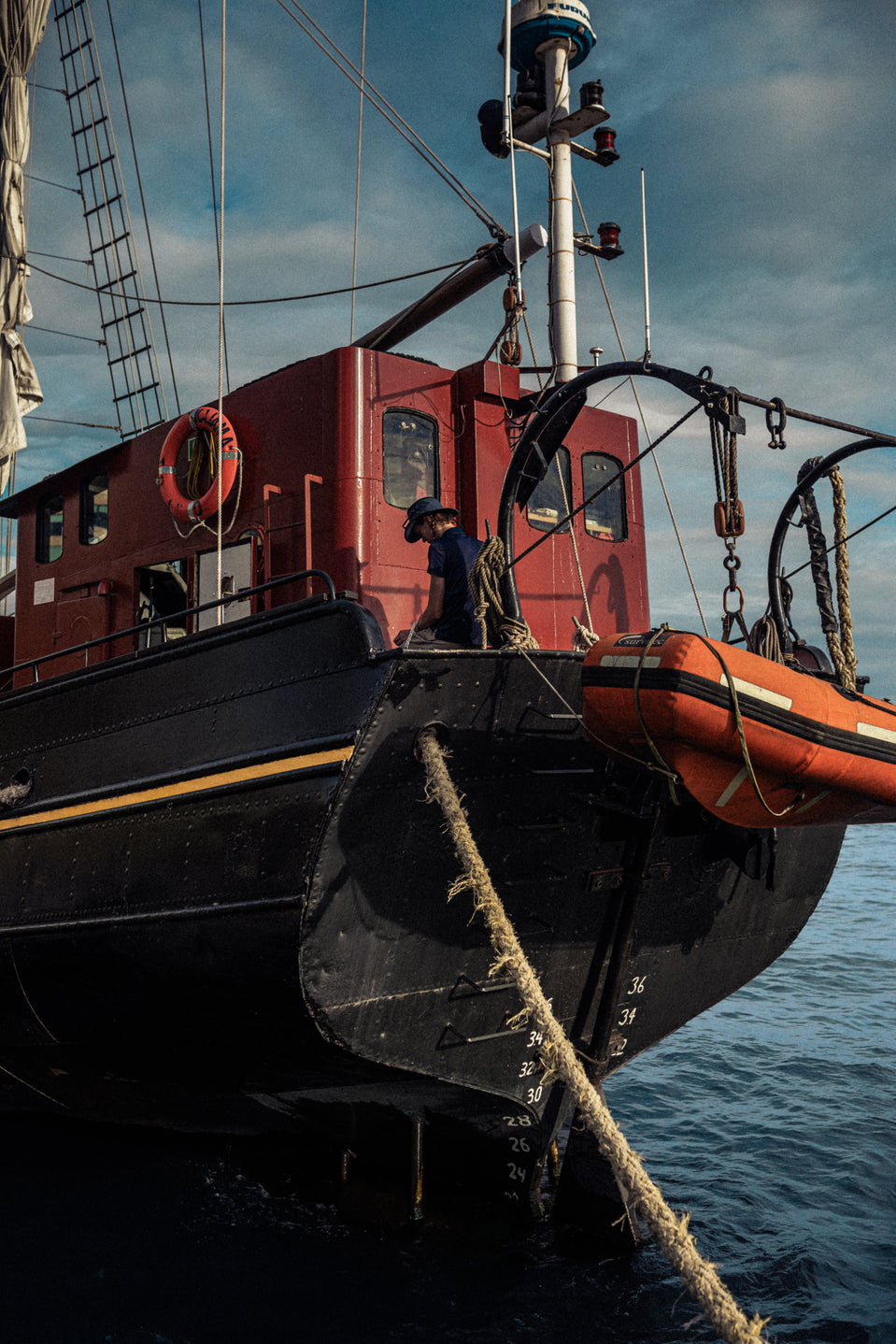
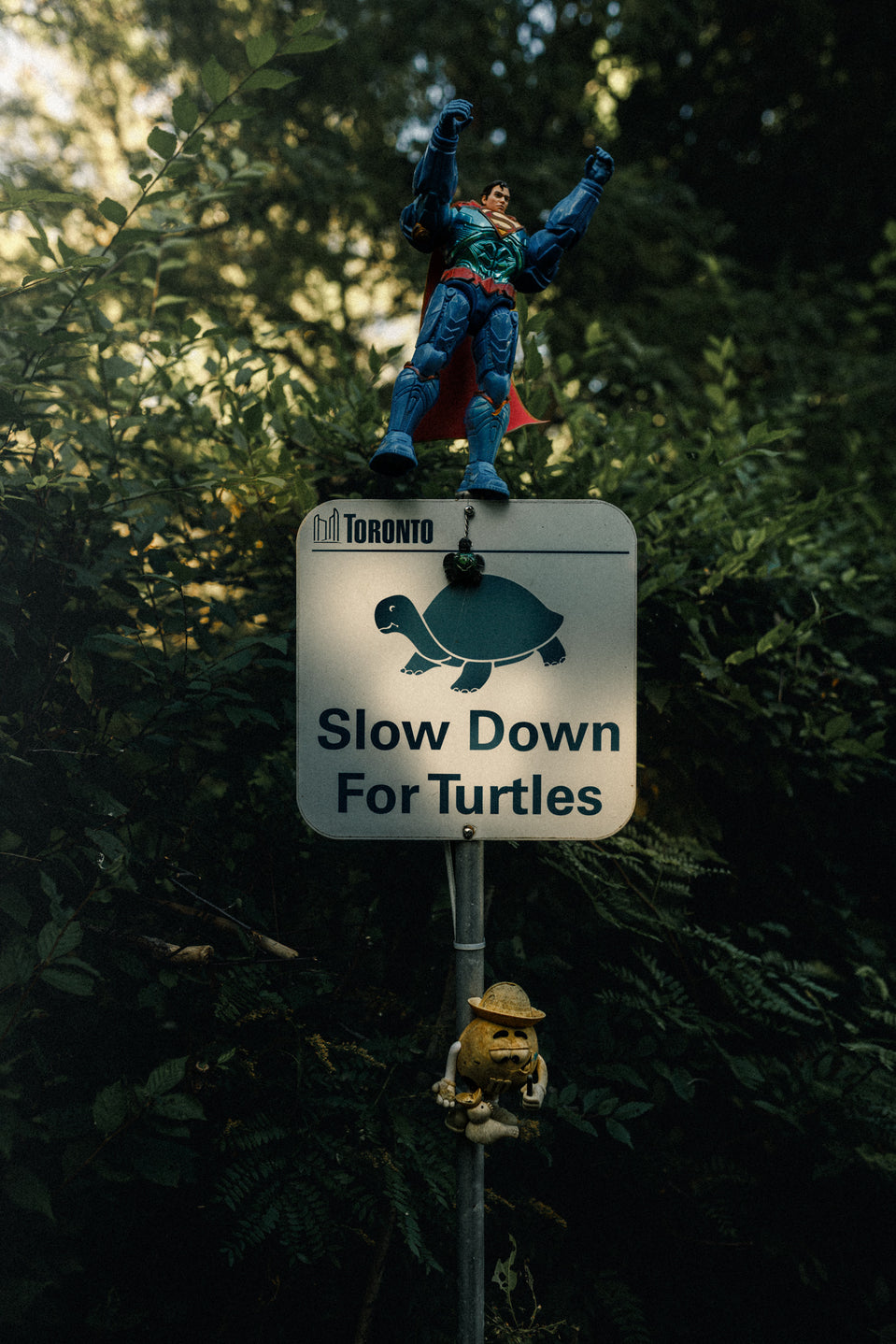
You start noticing the smaller things. Working boats. Old jetties. Rust, ropes and machinery against this very clean modern skyline.
Those contrasts are probably what I photographed most.
TORONTO IS BETTER WHEN YOU STOP LOOKING UP
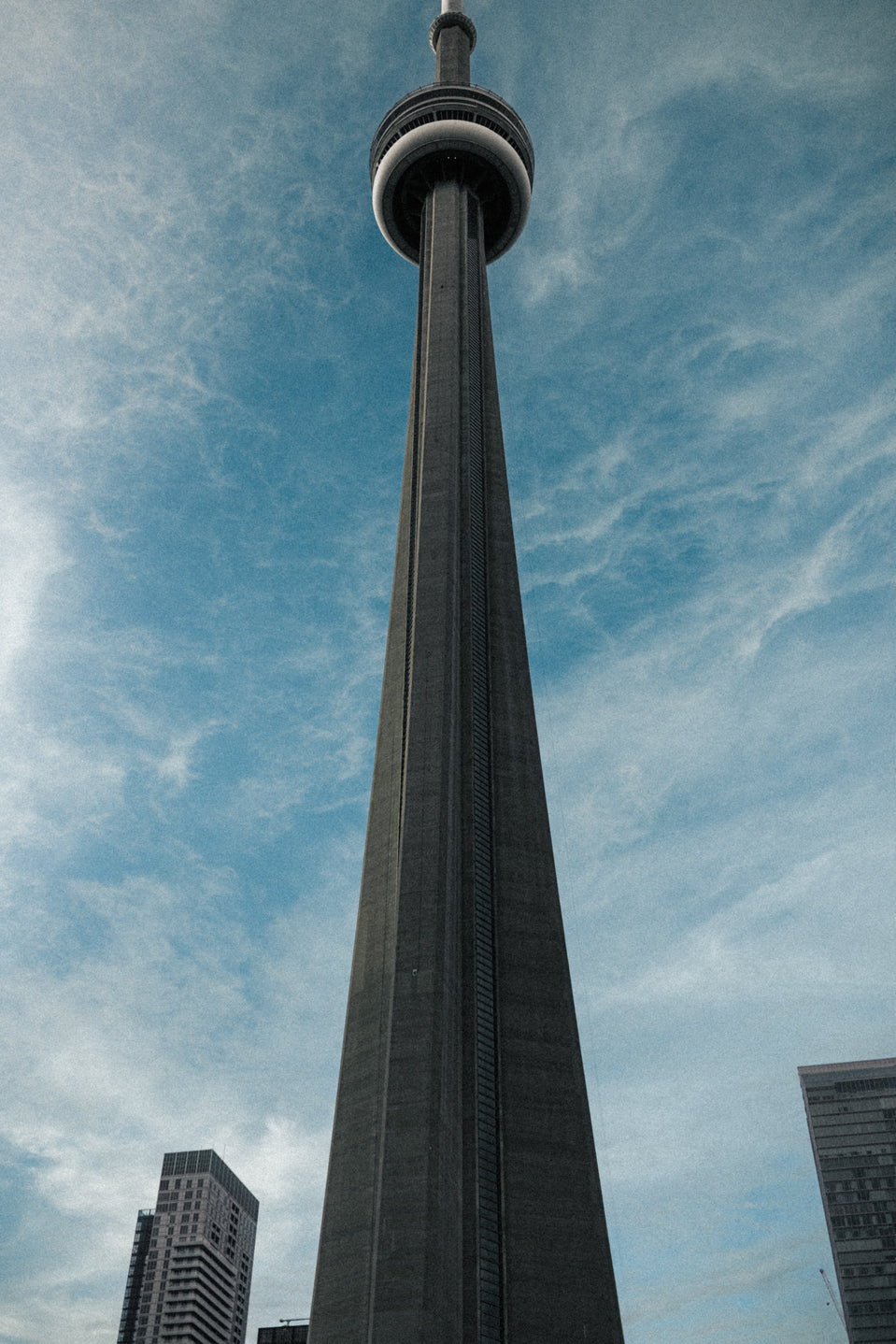
Obviously I photographed the CN Tower.
You almost can’t help it.
But what interested me more was everything around it.
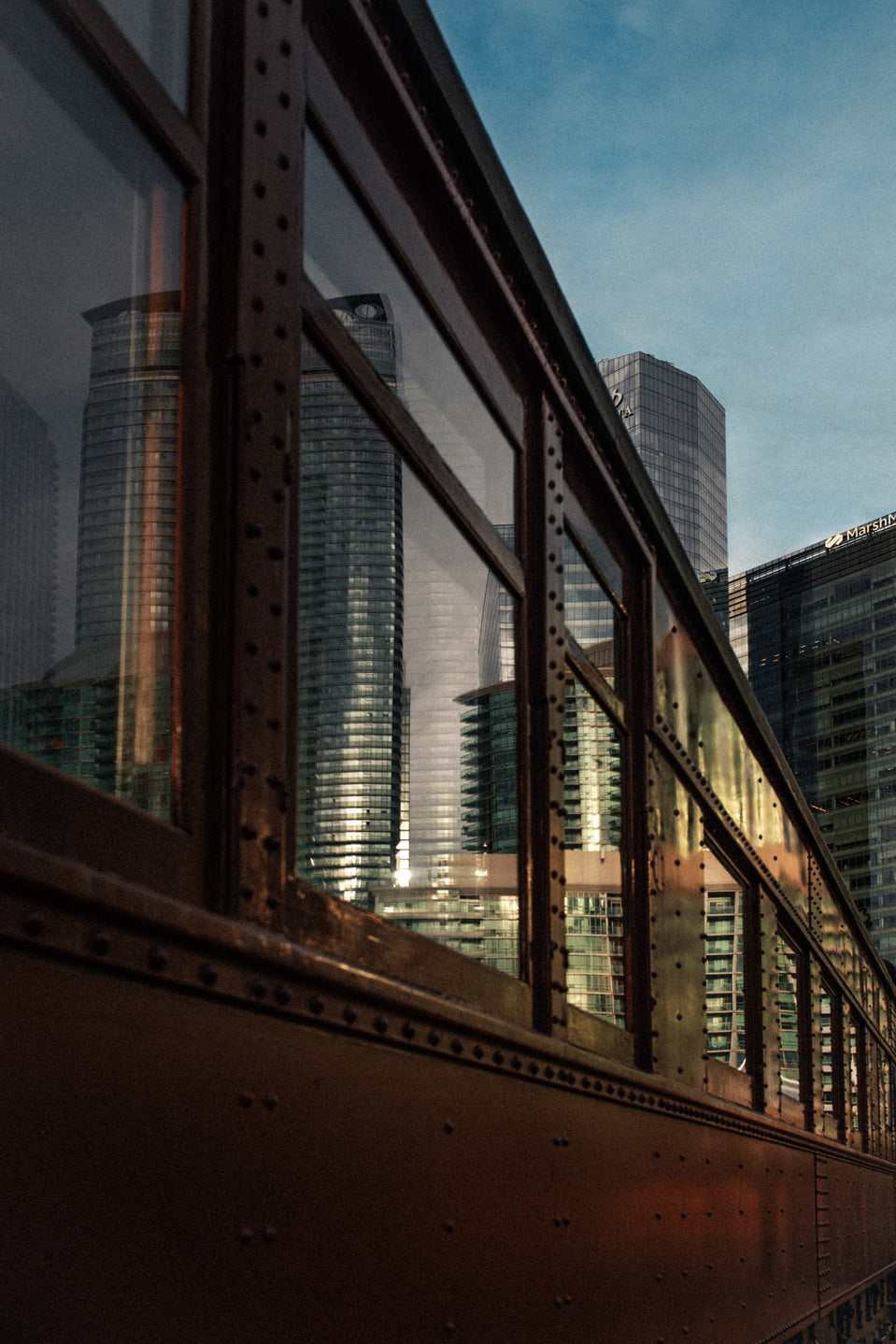
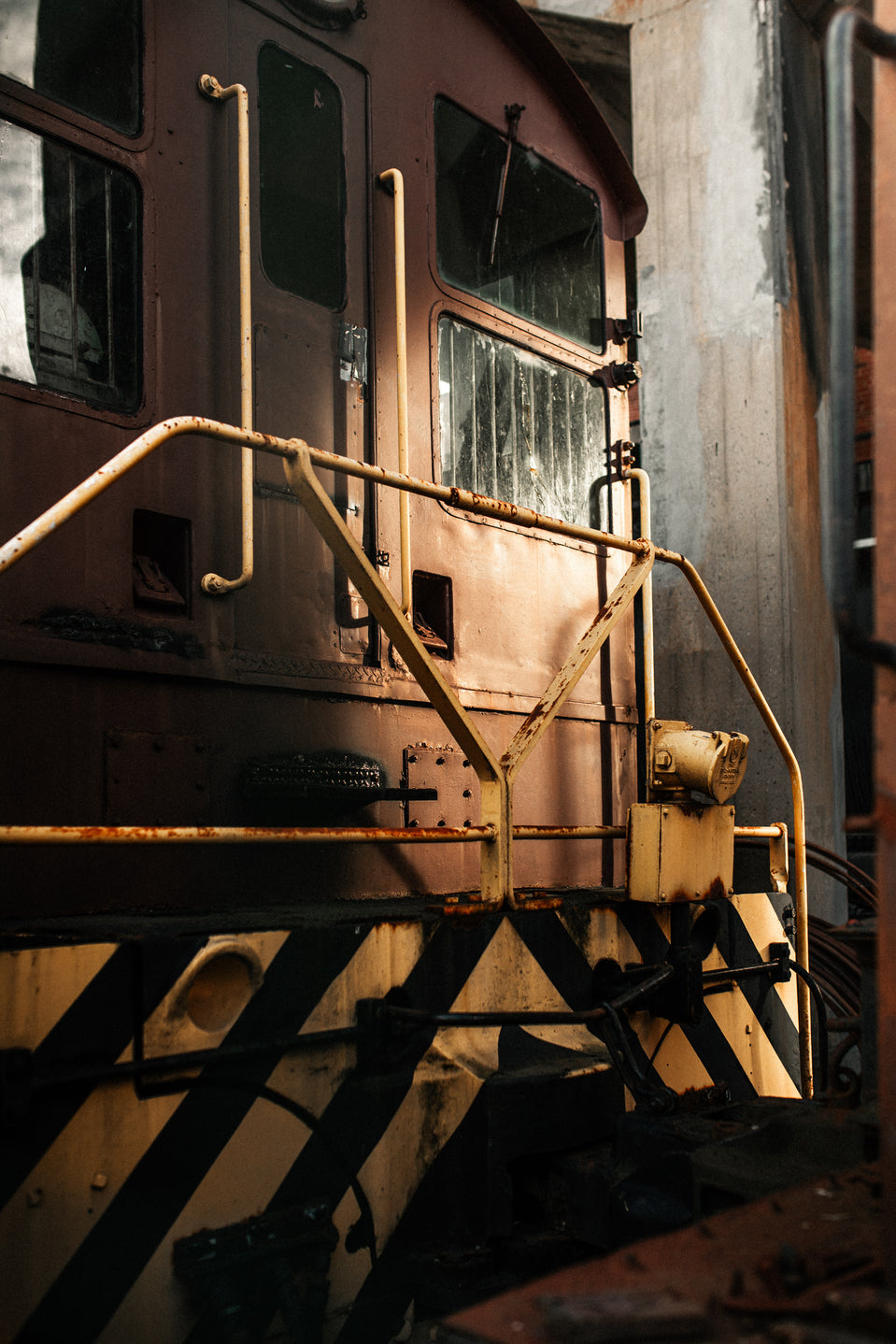
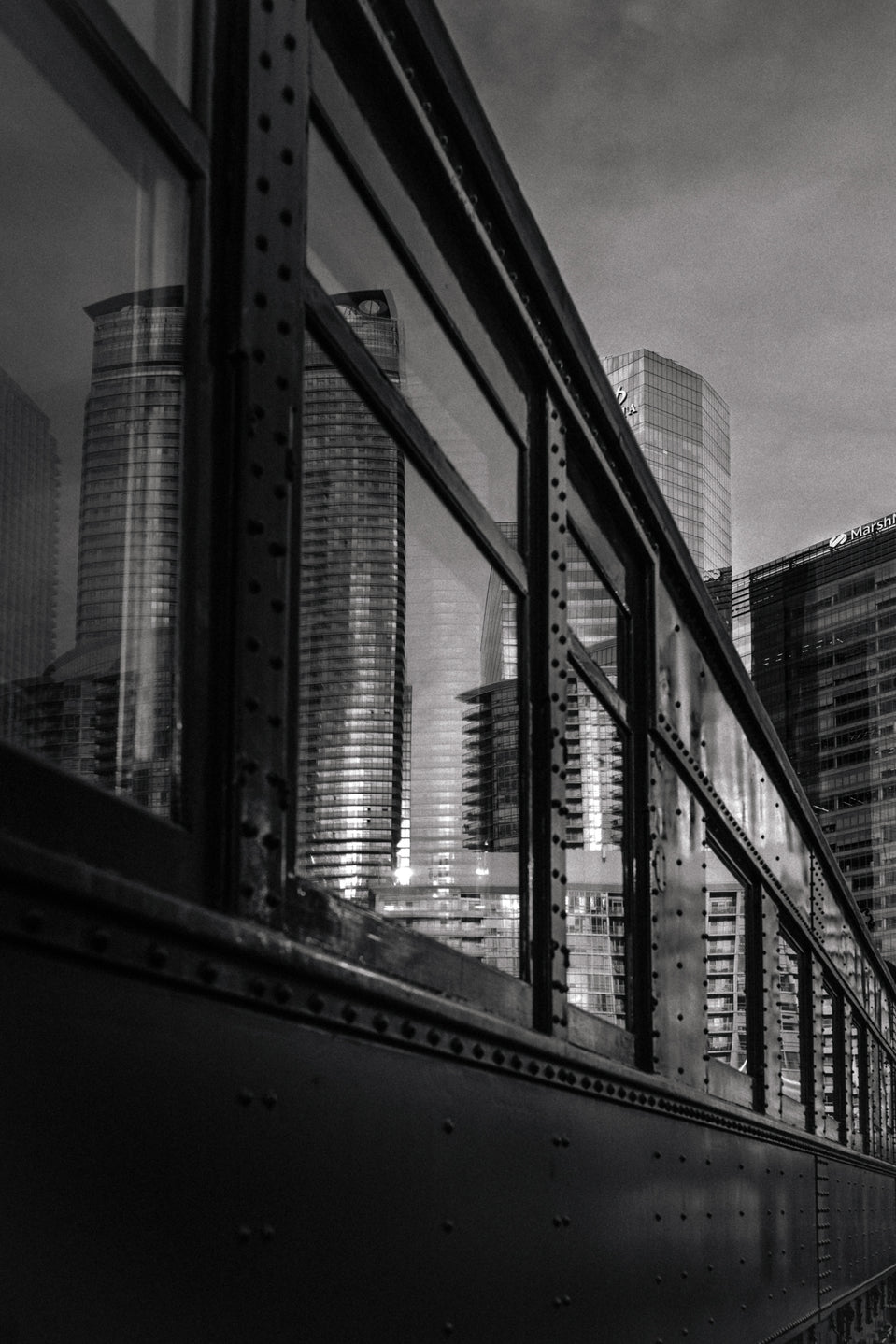
Toronto has these huge glass buildings, then underneath them you find steel bridges, rivets, old railway structures, boats and bits of industrial architecture that feel like another city altogether.
That is usually the stuff I’m drawn to.
I like things that show how they are made. Things with a bit of history left on them.
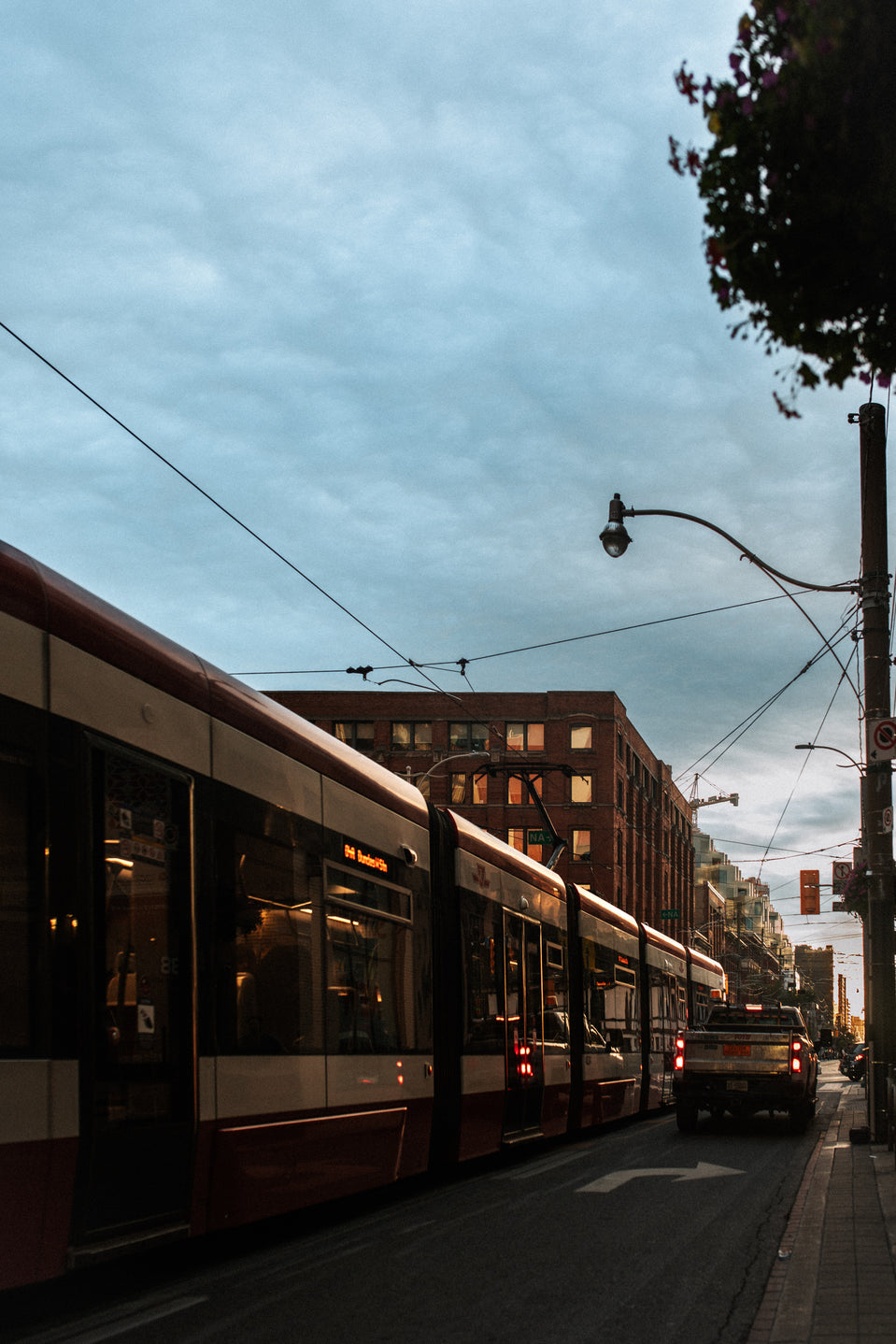
Even the streetcars have that quality.
If you have time, I’d get on one with no particular urgency to get anywhere. Routes like Queen and King take you through completely different neighbourhoods and give you a much better sense of the city changing around you.
Sit down. Look out of the window. Get off when something looks interesting.
That sounds far better to me than another organised tour.
ASK A TORONTONIAN WHERE TO EAT
This is probably my favourite thing about travelling.
Ask somebody where you should eat and suddenly everyone has an opinion.
The obvious Canadian thing for me was poutine, although Toronto locals are quite quick to point out that it really belongs to Quebec.
That doesn’t stop them having strong opinions on where to get it.
One name that comes up again and again is Nom Nom Nom on Dundas Street West, particularly if you want something closer to the traditional version with proper cheese curds.
But the more interesting Toronto answer is probably the peameal bacon sandwich.
It is one of the foods most closely associated with the city, and St Lawrence Market is where most people will send you.
Then comes the debate.
Carousel Bakery or Paddington’s Pump?
Everyone seems to have a favourite, usually followed by a very specific opinion about the bread, the onions, the mustard or how it should be served.
That is exactly the kind of recommendation I like.
Go to the market.
Try one.
Then tell a local where you bought it and see what happens.

NIAGARA FALLS, THEN LOOK BEYOND IT
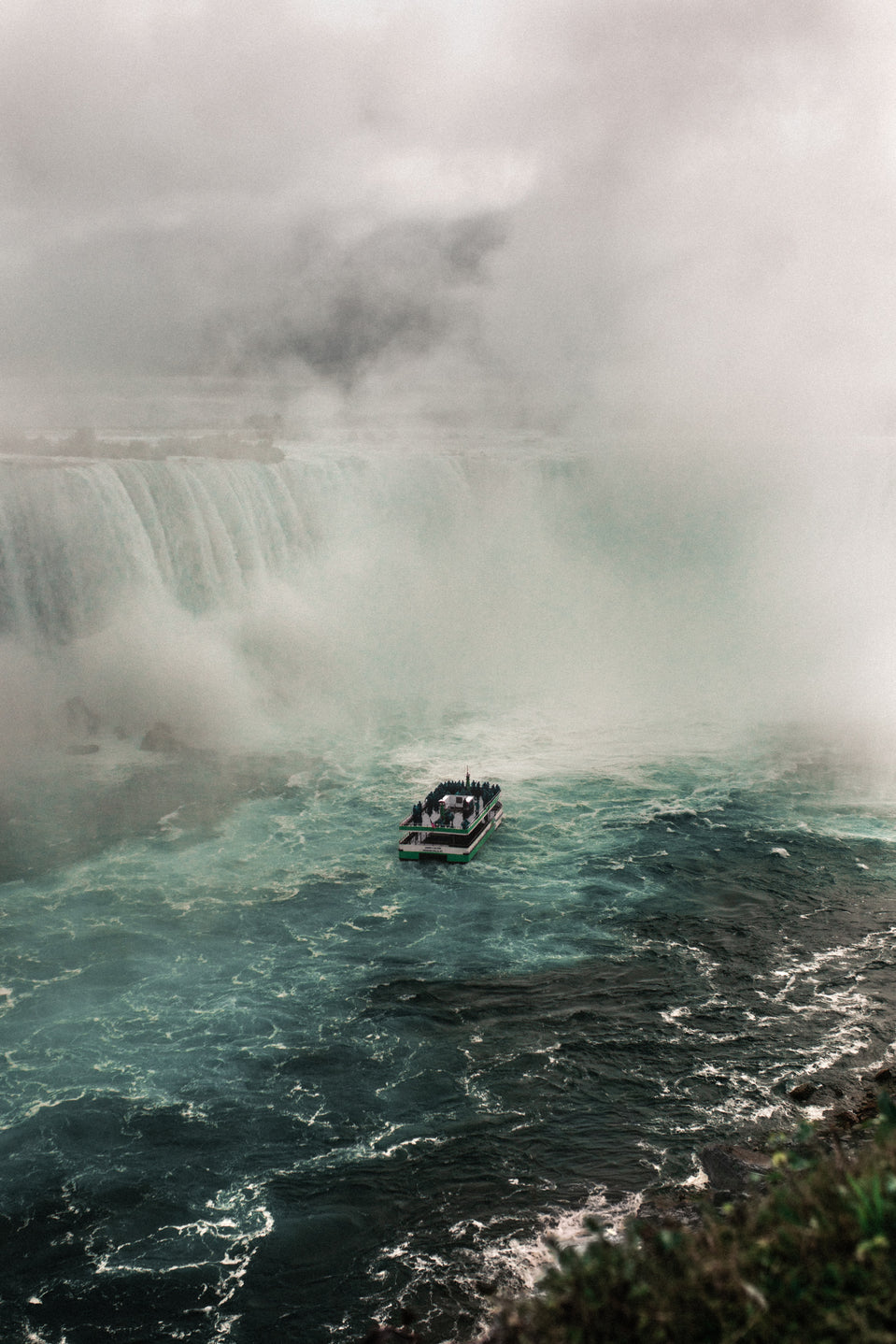
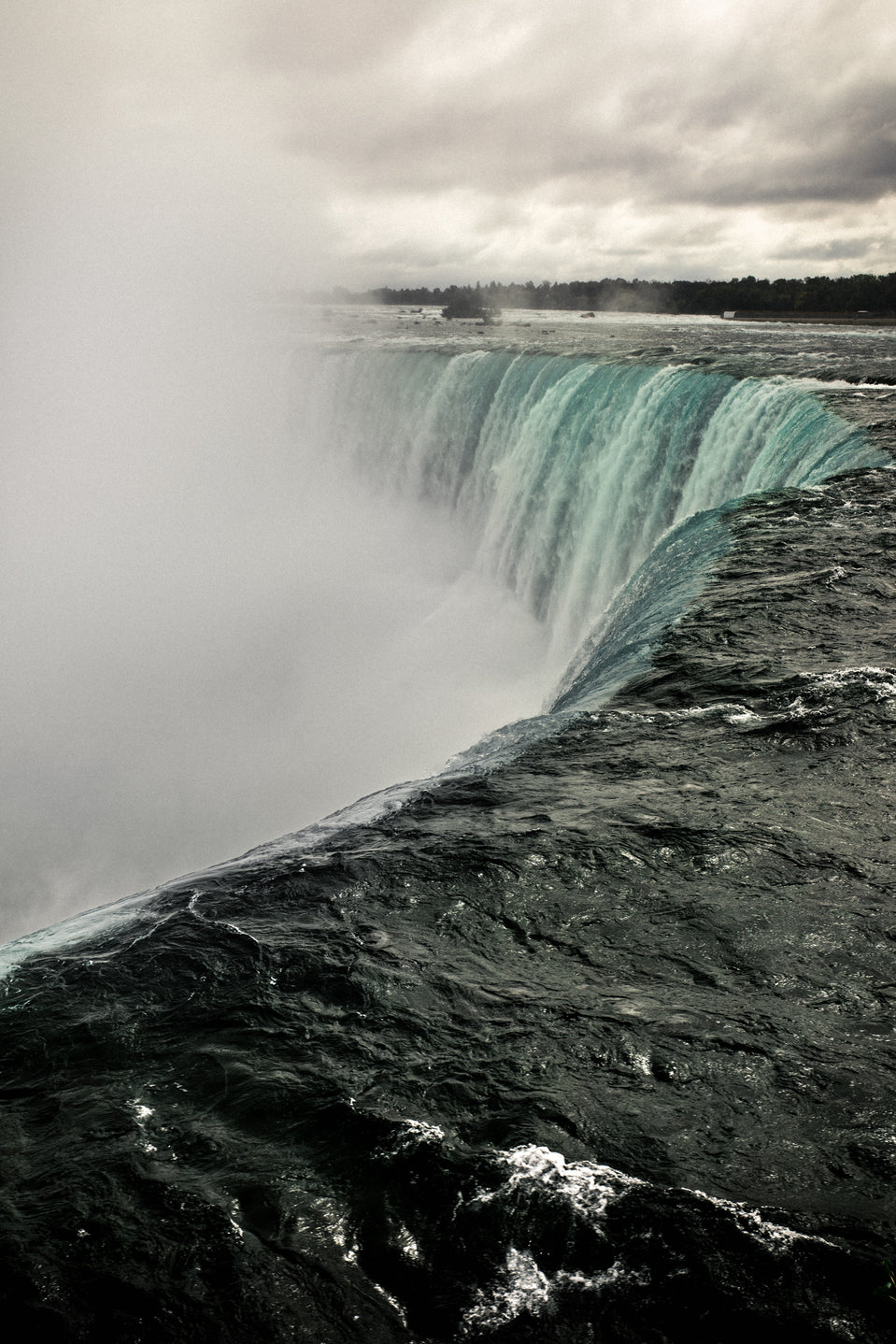
Niagara Falls is one of those places where the photographs almost work against it.
You have seen it so many times before you arrive.
Then you stand beside it and realise the scale is completely different.
It is enormous. Loud. Violent. Completely worth seeing.
It is also busy.
The thing I’d do differently next time is explore more of what sits around it.
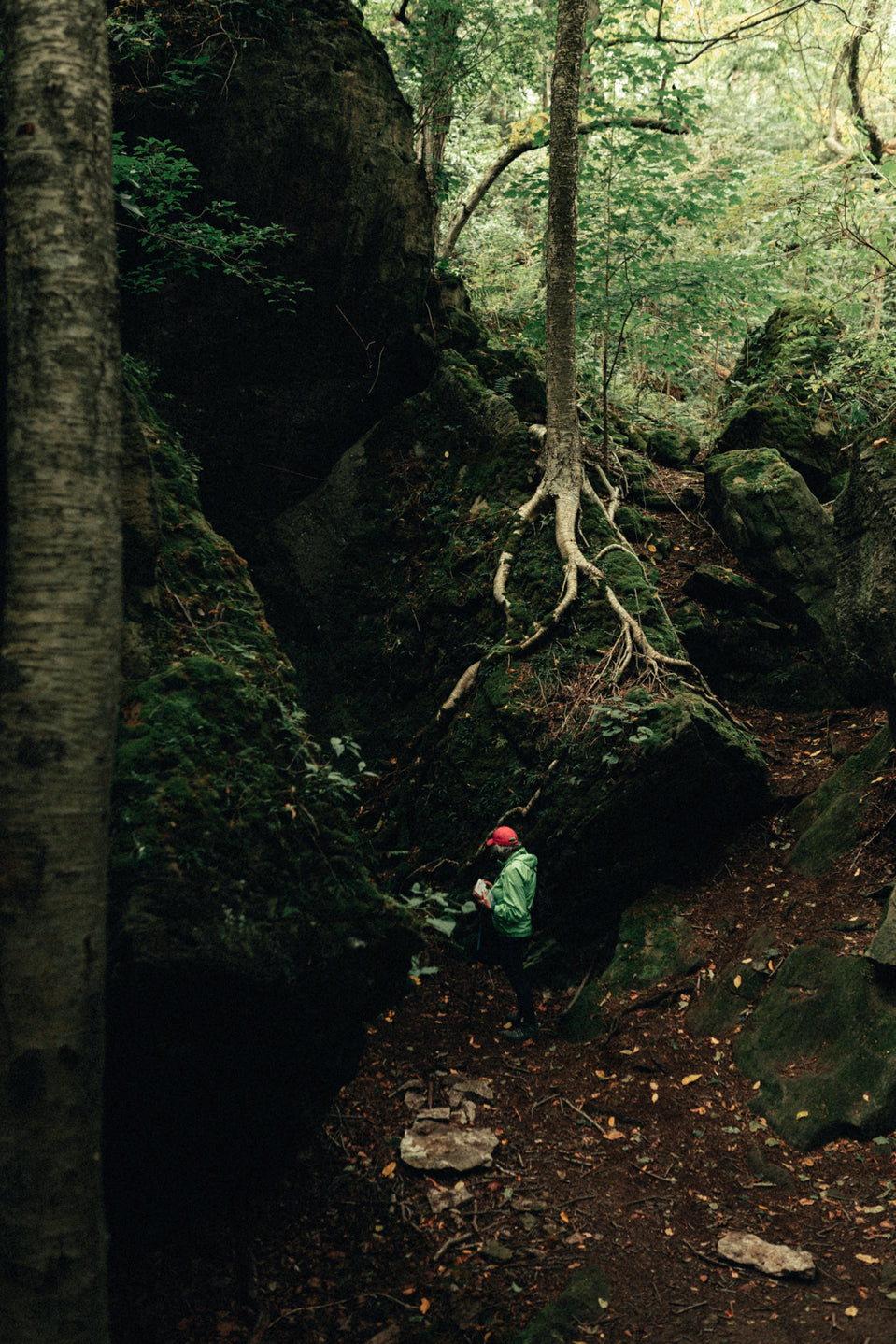
Locals often point towards Niagara Glen, a few kilometres north of the main Falls, where trails drop down through forest and rock towards the Niagara River. There is also Dufferin Islands, much closer to the Falls, with woodland and trails that offer a quieter side to the area.
Neither replaces seeing Niagara itself.
That is the thing you have travelled there for.
But I like the idea of seeing the main attraction, then putting the camera away and finding out what else is nearby.
See the Falls.
Then look beyond them.
THE THING I’D DO DIFFERENTLY
If I went back to Toronto, I’d probably plan less.
The big landmarks are worth seeing.
I’m not going to pretend the CN Tower is some terrible tourist mistake or that Niagara isn’t extraordinary just because millions of other people have seen it.
But I’d leave more gaps between them.
Ride a streetcar without knowing exactly where I’m getting off.
Take the ferry and keep walking past the busiest part.
Ask someone behind a counter where they actually go for lunch.
Order the sandwich they start debating.
And at Niagara, see the Falls, then find out what sits beyond the viewing platform.
That is what Unseen Cities is really about.
Not claiming we have discovered some secret version of a place.
Just looking a little harder at the one that is already there.

Oct 26
&SONS DECADE COLLECTION

pioneers Sep 26