August 26
Pioneer Stories: Walt Siegl – Building Beauty with Purpose
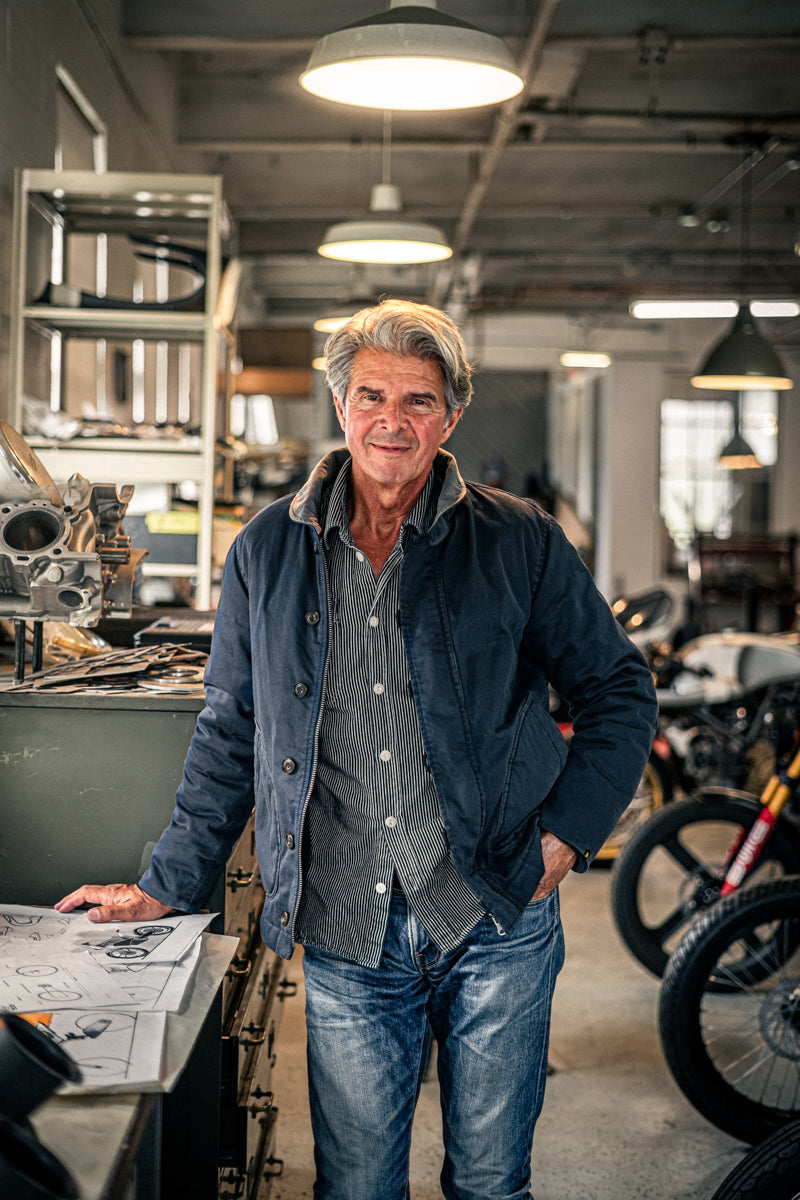
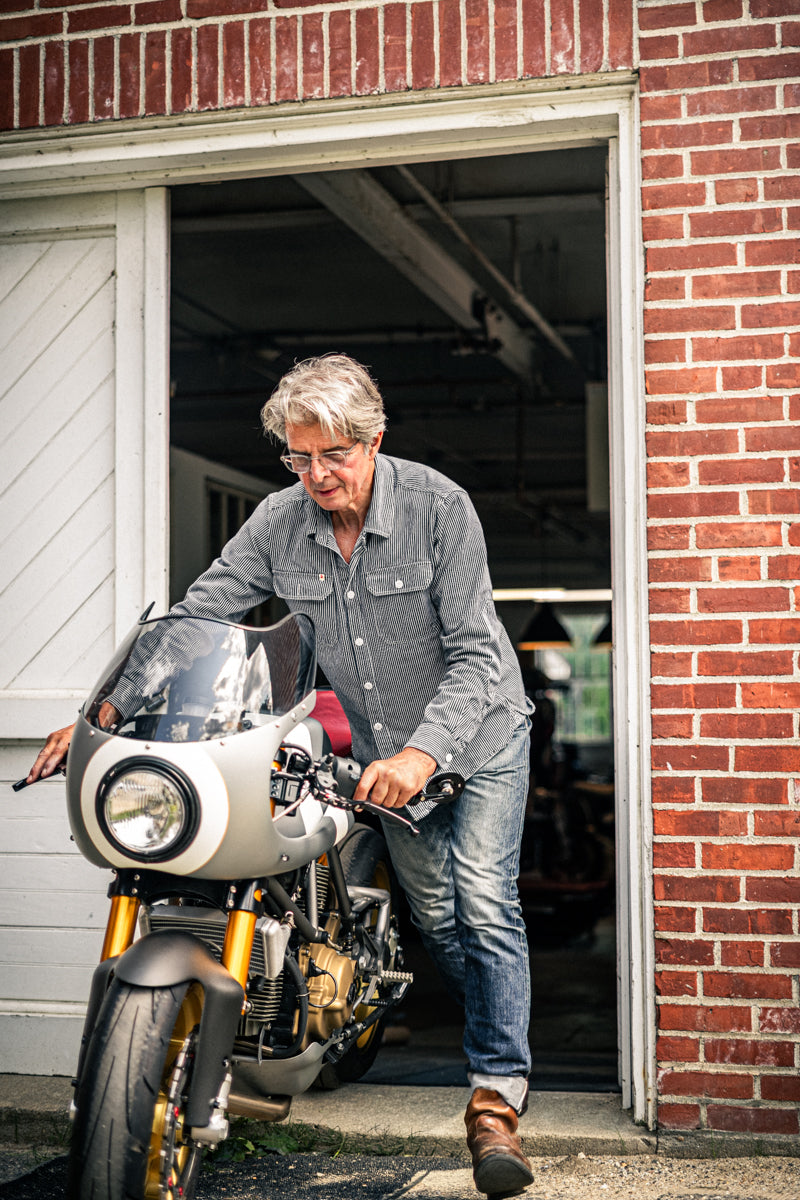
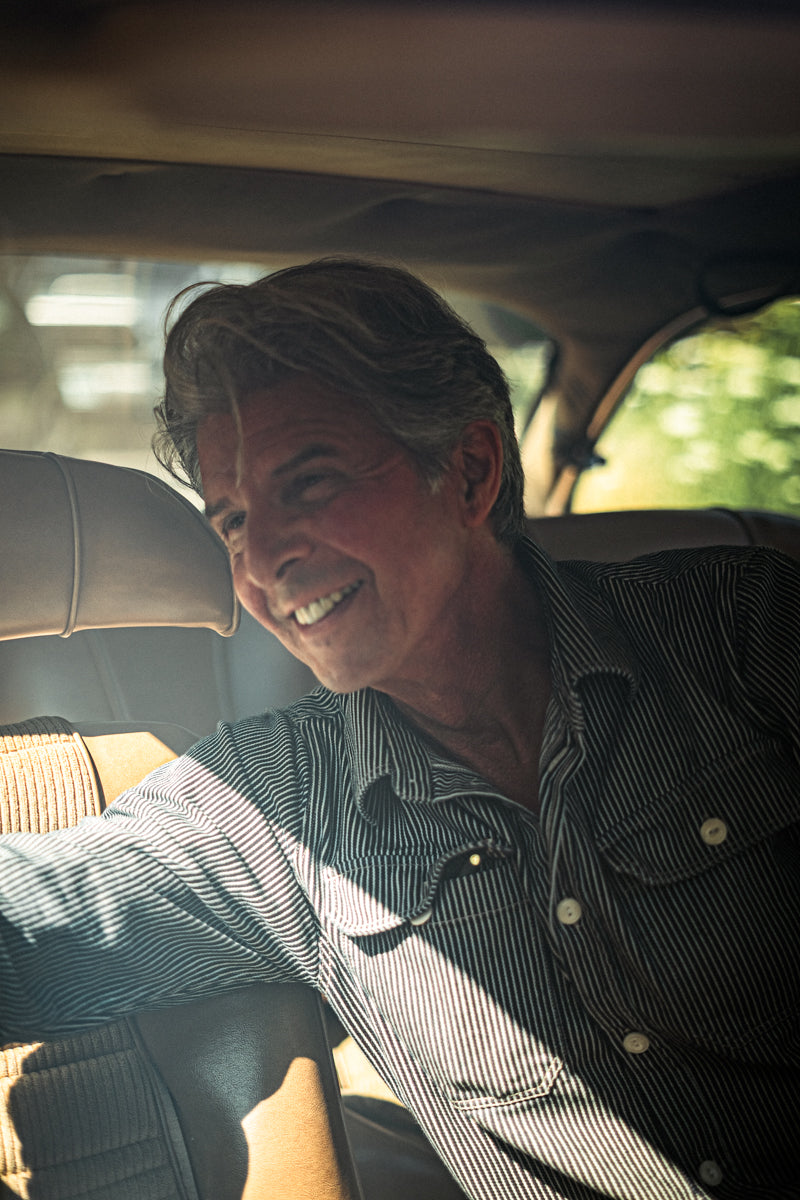
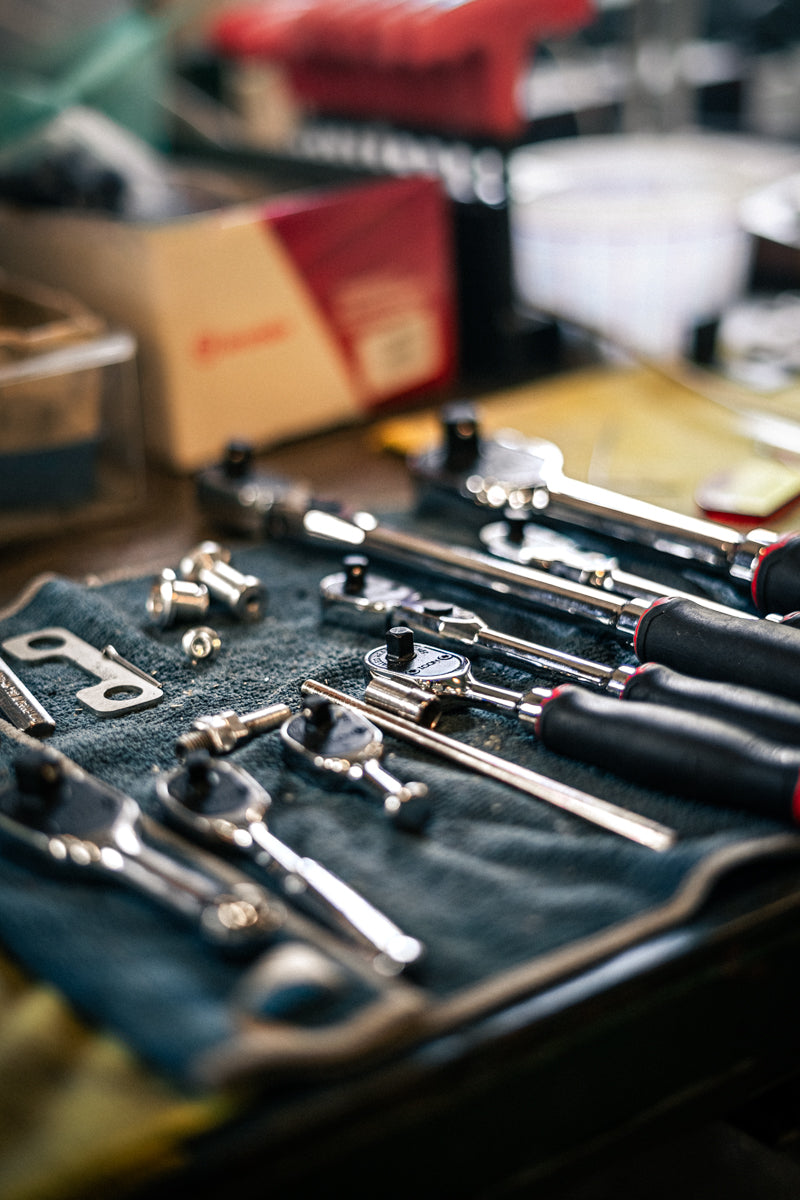
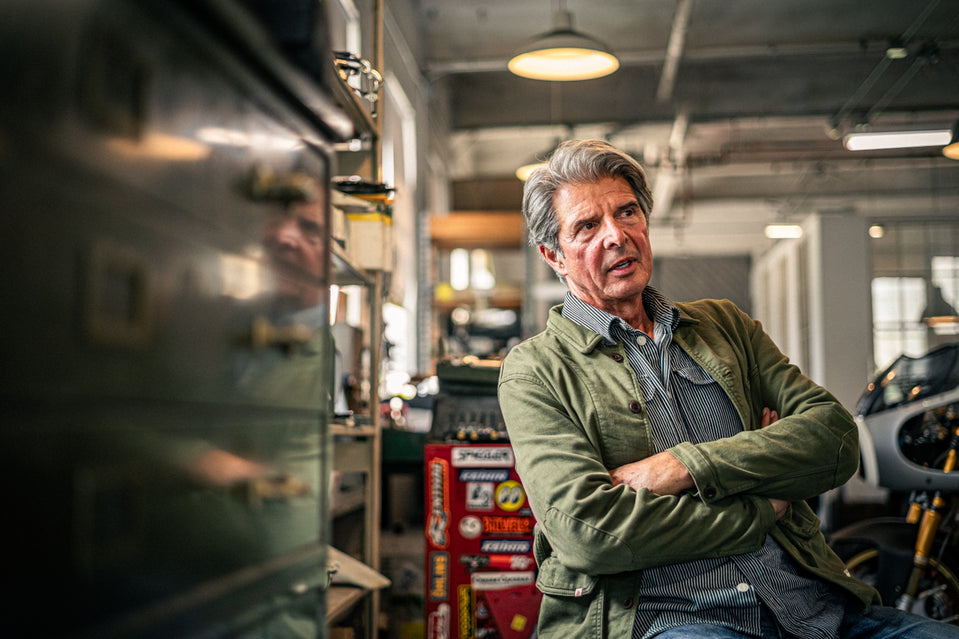
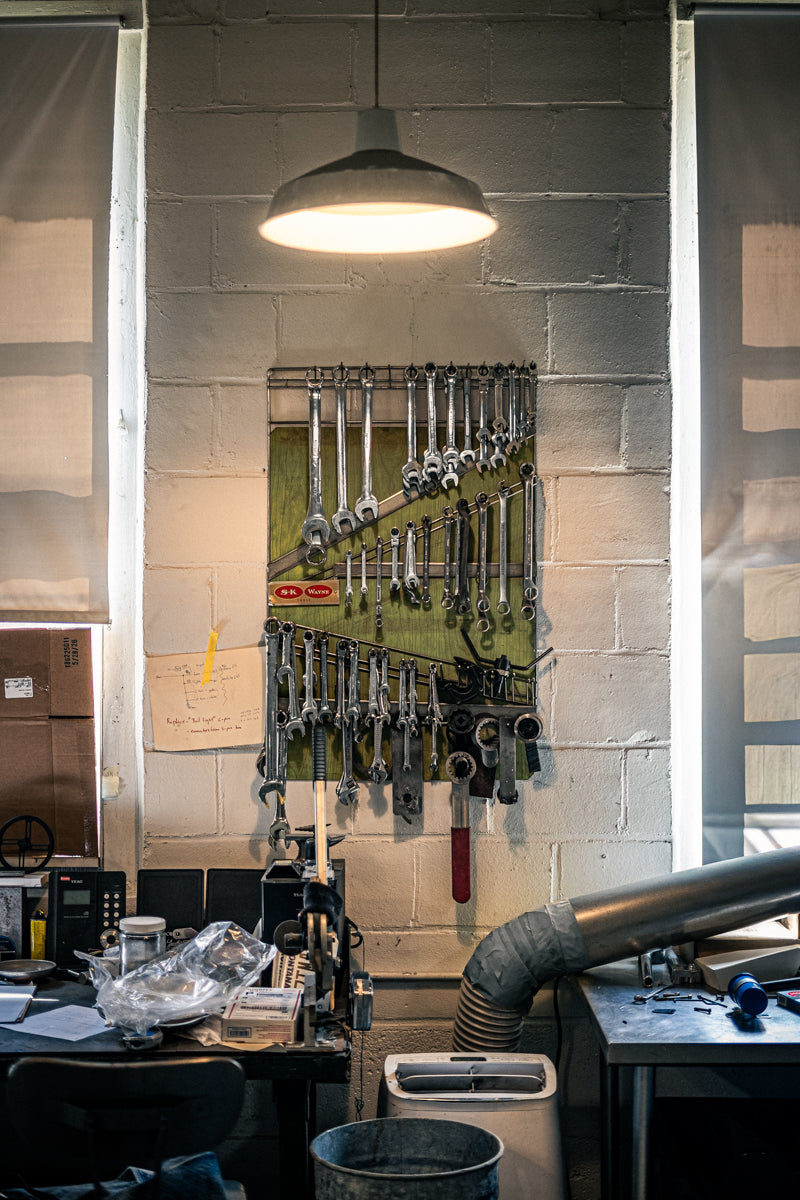
Walt Siegl is a motorcycle designer and builder whose work brings together engineering, craftsmanship and a deep appreciation for purposeful design. From his workshop inside a restored mill complex in Harrisville, New Hampshire, Walt creates machines that balance mechanical performance with a restrained, timeless visual language.
Having spent nearly two decades living and working in New York City, Walt eventually exchanged the intensity of the urban environment for the lakes, woodland and quieter rhythms of New England. The move gave him the space to think differently, work with greater focus and recognise that inspiration can be found as readily in a meadow or an evening at home as it can in a gallery or busy city street.
In this conversation, Walt reflects on his journey to New Hampshire, the difference between art and design, his lifelong fascination with machines and the importance of paying attention to the smaller moments in life.
How did you end up building motorcycles in New Hampshire?
I had leased a workspace in New York City for 19 years, but when the lease expired, I briefly looked for another studio in Brooklyn. Even almost 20 years ago, the prices were already too high.
I knew this part of New Hampshire through my wife’s family, who had property in the region. We would come here during the summer and sometimes at Christmas. Back then, part of the mill complex was still boarded up, but every time I saw it, I thought it would make an incredible workspace.
Over time, the buildings were restored. When I was finally ready to leave New York, I made a few phone calls and came up to look at the available spaces. I was shown one and signed the lease on the spot.
I then had to drive back to New York and tell my wife that I had leased a workshop in New Hampshire. She was understandably quite surprised. A couple of weeks later, I returned to find somewhere for us to live and rented a small house within a few hours.
Our son was born in New York City, and by the time he was three weeks old, we had packed everything and moved to New Hampshire. It was a big move, but I began working here and never looked back.
QUICK ADD
QUICK ADD
How did moving from New York City change your creative process?
I was not necessarily ready to leave an urban environment. I had tremendously enjoyed living and working in New York. There were so many craftspeople in the neighbourhood where I had my studio. If you needed a part or some help, you could knock on someone’s door at 11 o’clock at night and usually find somebody willing to help.
There was also constant exposure to culture, music and different ways of thinking. The diversity of an urban environment was something I was genuinely worried about losing when we moved to the country.
Once we were here, I realised that my inspiration did not only come from being exposed to different people, cultures and societies. Living among nature, lakes and open land freed my head. Going for walks gave me a more restful mind, and I discovered that I could concentrate much more deeply on the work and the design.
I had worried that I was giving something up, but I do not feel that way now. The environment here has allowed me to focus while still remaining curious and connected to the wider world.
QUICK ADD

QUICK ADD
QUICK ADD
Where does your creative sensitivity come from?
Curiosity, mainly. A curiosity about what beauty represents.
As a child, I was fascinated by the effect architecture could have on people. I recognised at a very early age what a comfortable space could do to me when I entered it. I did not necessarily have the language to explain it, but I understood the feeling.
I loved beautiful cars and motorcycles, but I also found beauty walking through meadows and looking at grasses. After dinner, I could not wait to get on my bicycle, ride out into the fields and lie there looking at the sky, thinking about what I wanted to do and who I wanted to be.
That curiosity has never really left me. It applies to machines, buildings, clothing, nature and the way we create the spaces around us.
Do you consider yourself an artist or a designer?
I am a builder.
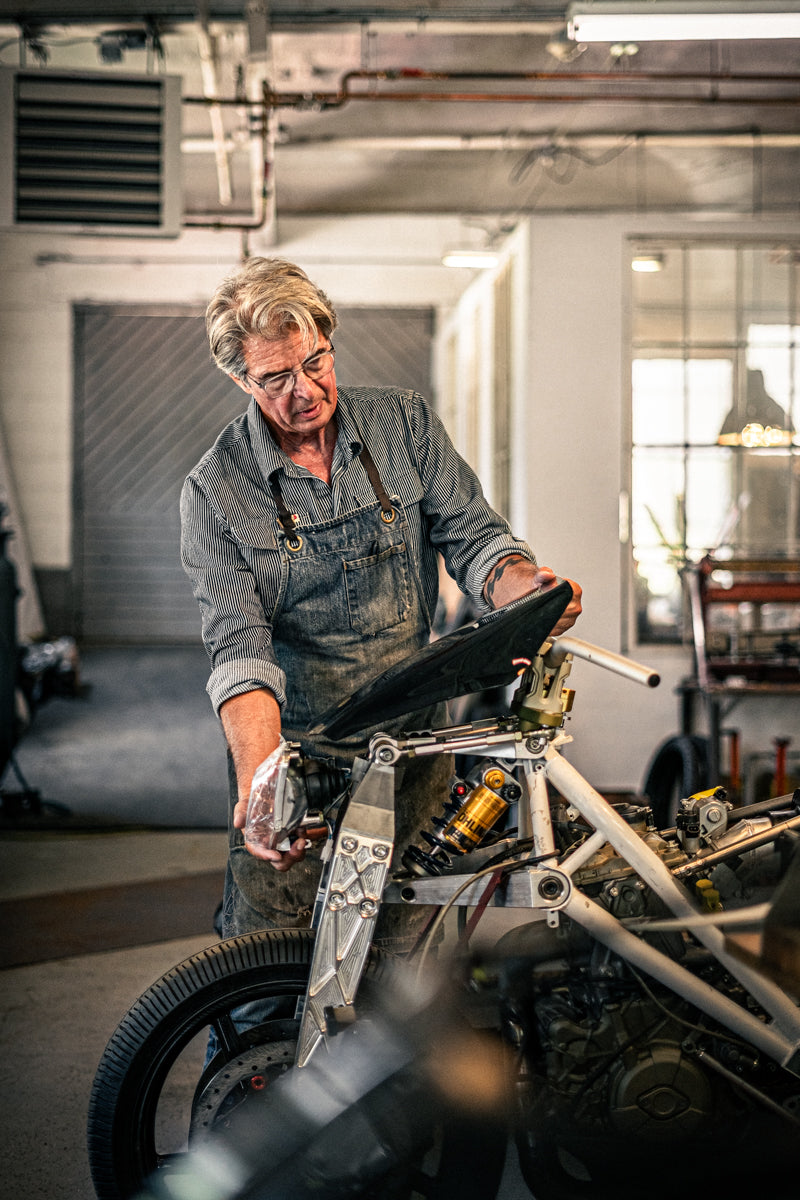
I use art as inspiration for my design, but I do not necessarily want to call myself an artist because I build machines. I begin by finding mechanical solutions. Once I have the answers to those mechanical questions, design comes into play.
A lot of people see design as an art form, and I do not disagree with that, but I believe the best design is used to solve a problem. For me, design is problem-solving.
The cleaner the solution is, the easier it becomes to understand the project, the product and the language the builder or designer is trying to achieve. When something is truly purpose-built, beauty often becomes inevitable.
QUICK ADD
QUICK ADD
QUICK ADD
QUICK ADD
How do you know when a motorcycle design is finished?
It is a difficult question because each project begins with many conversations with the client. The most important thing for me as a professional builder is to do right by the person I am building for.
I start by finding answers to the mechanical questions. From there, I try to execute every process as cleanly as possible and use as few parts as possible, so the message of the bike is never lost.
Whether it is a race bike, a street bike or something that will live in somebody’s living room, you have to remain focused on what that project is meant to be.
The goal is to stay on message throughout the entire build and execute the idea with as little unnecessary design input as possible. When every part serves the purpose and nothing distracts from it, the design is finished.
What do you look for in the clothes you wear?
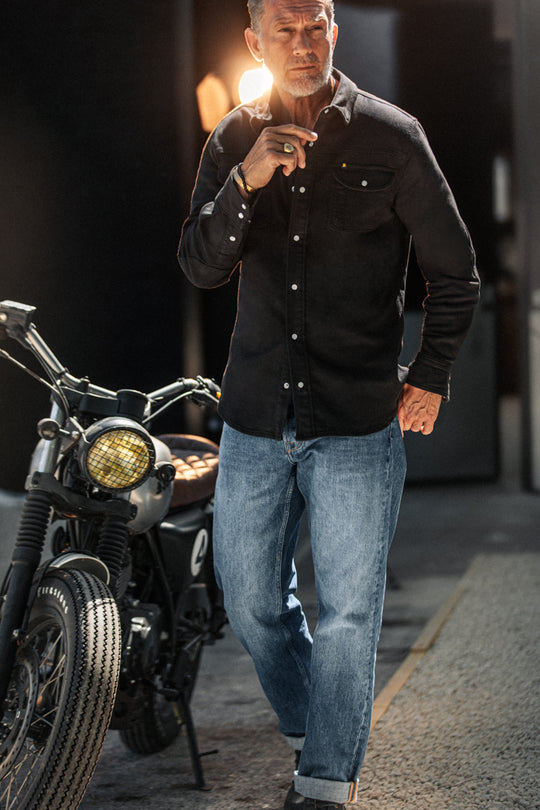
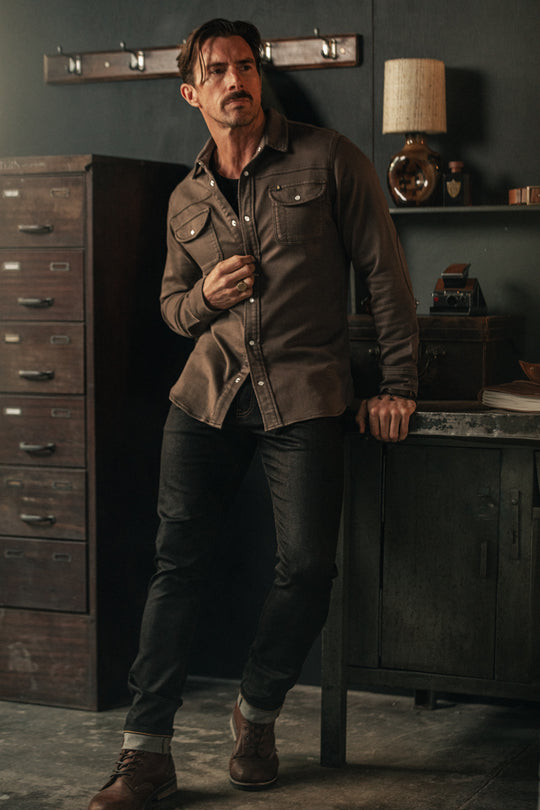
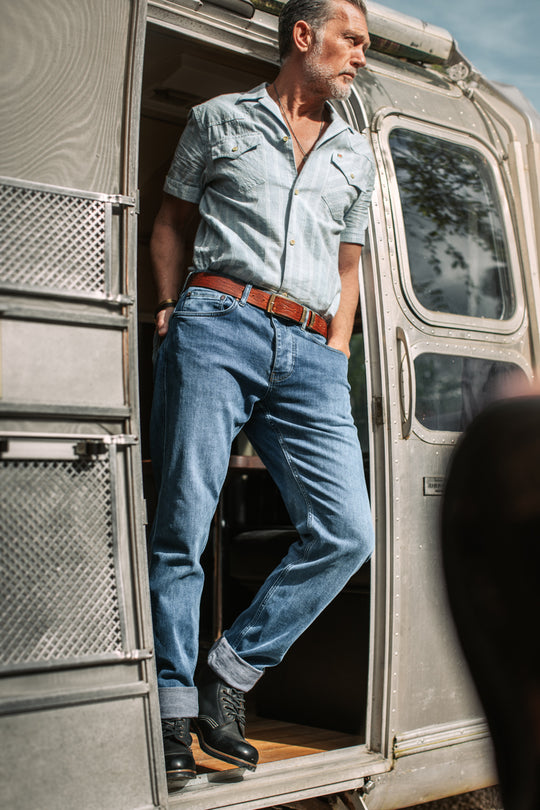
For me, clothing is about celebrating the occasion.
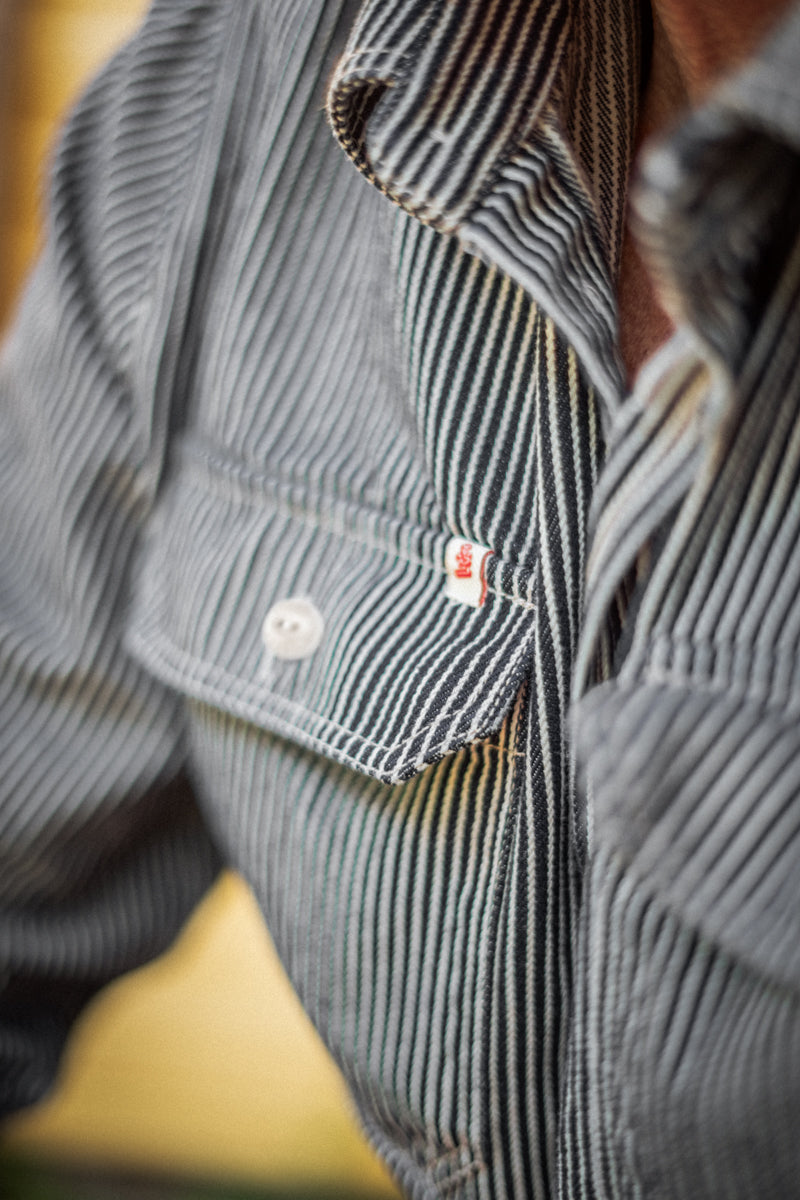
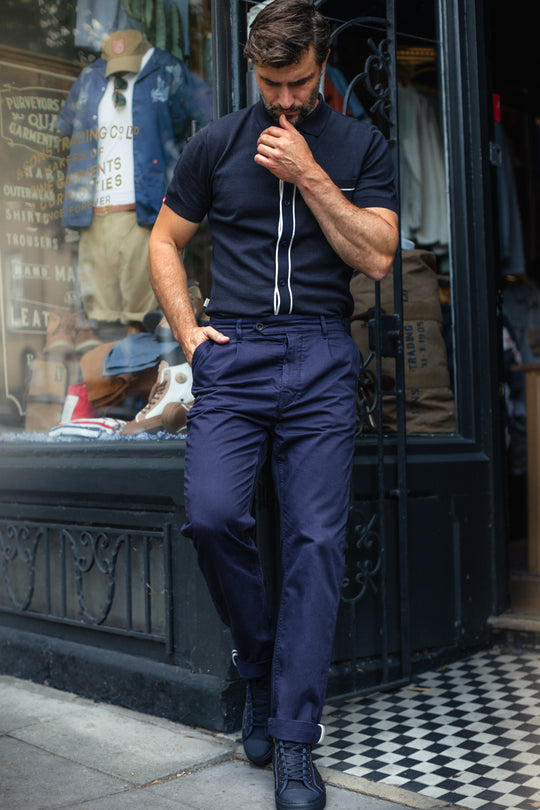
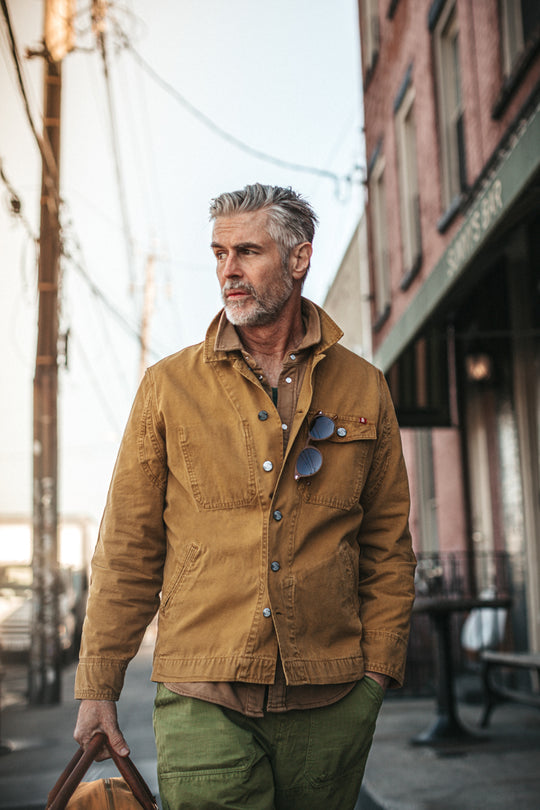
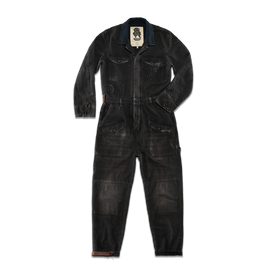
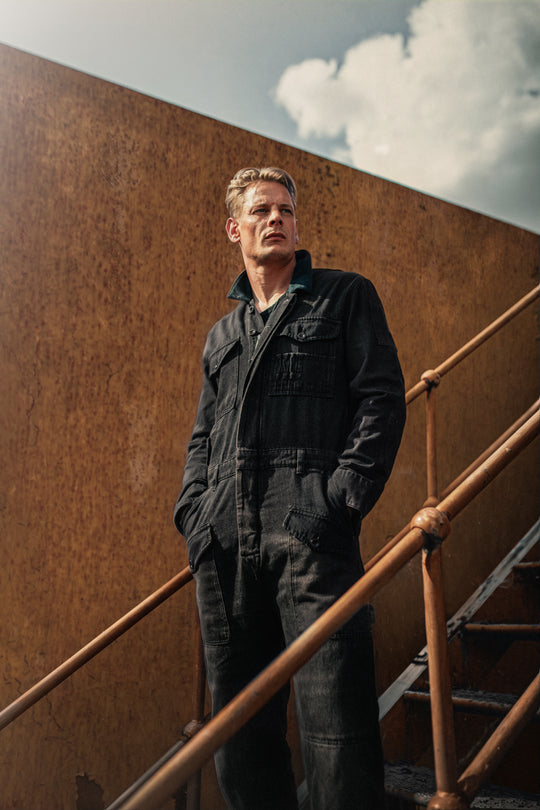
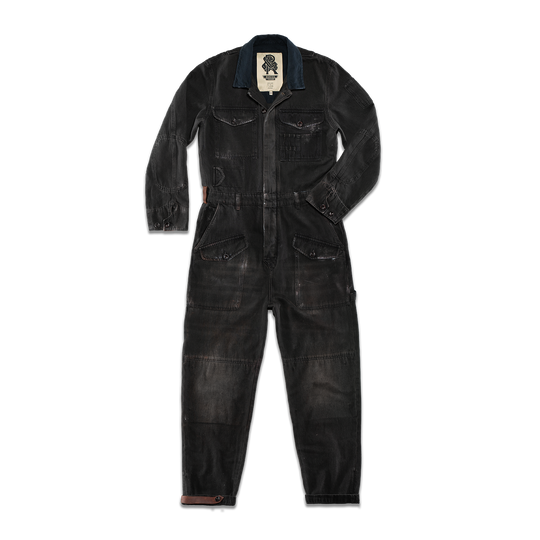
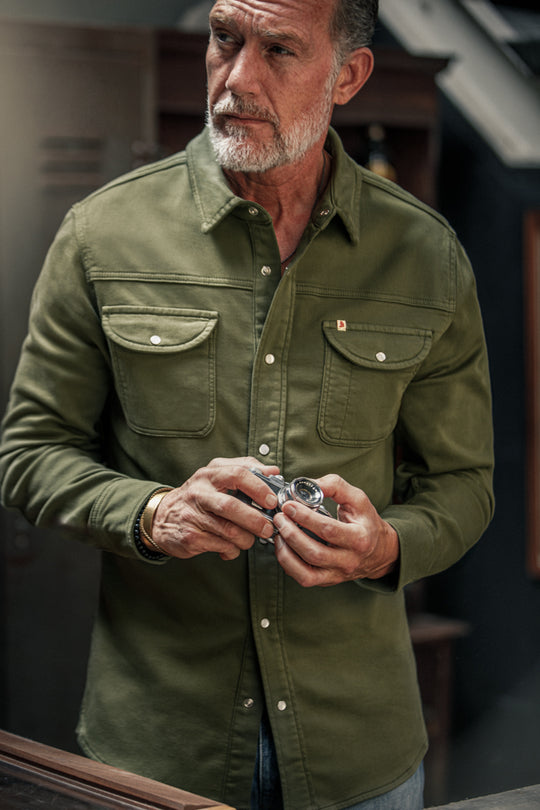
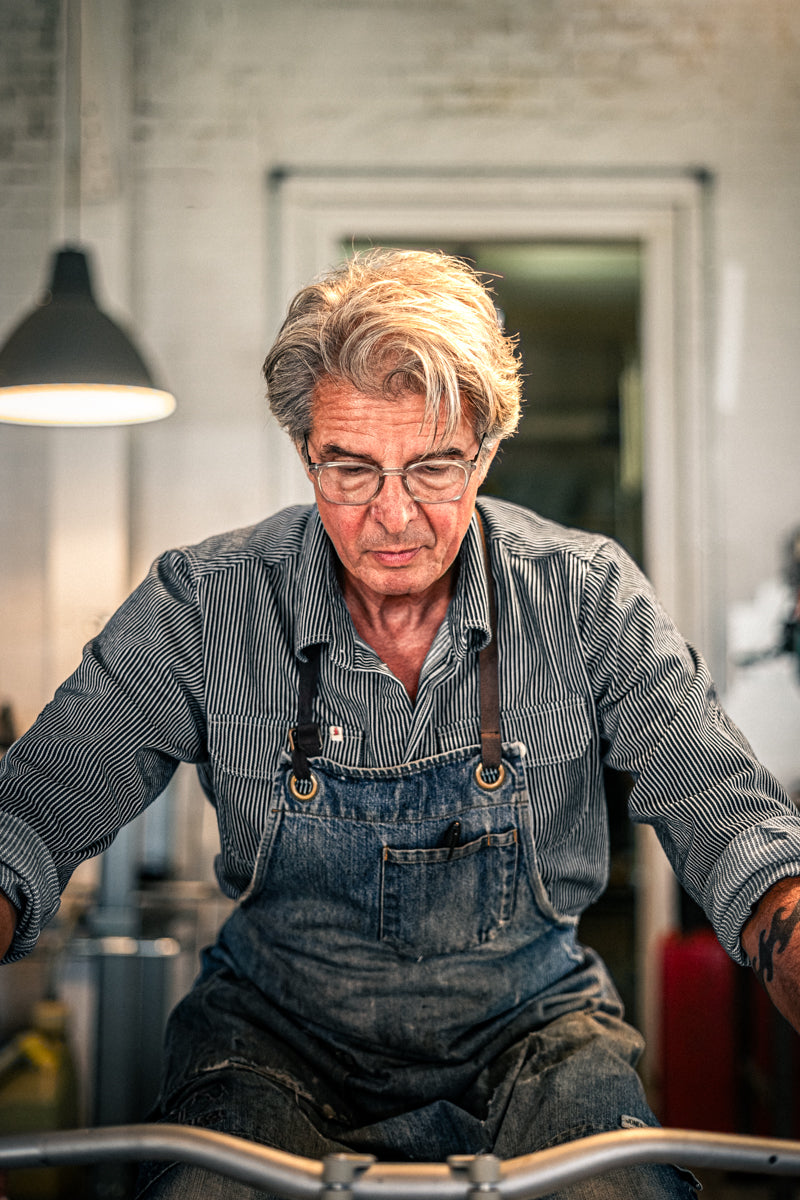
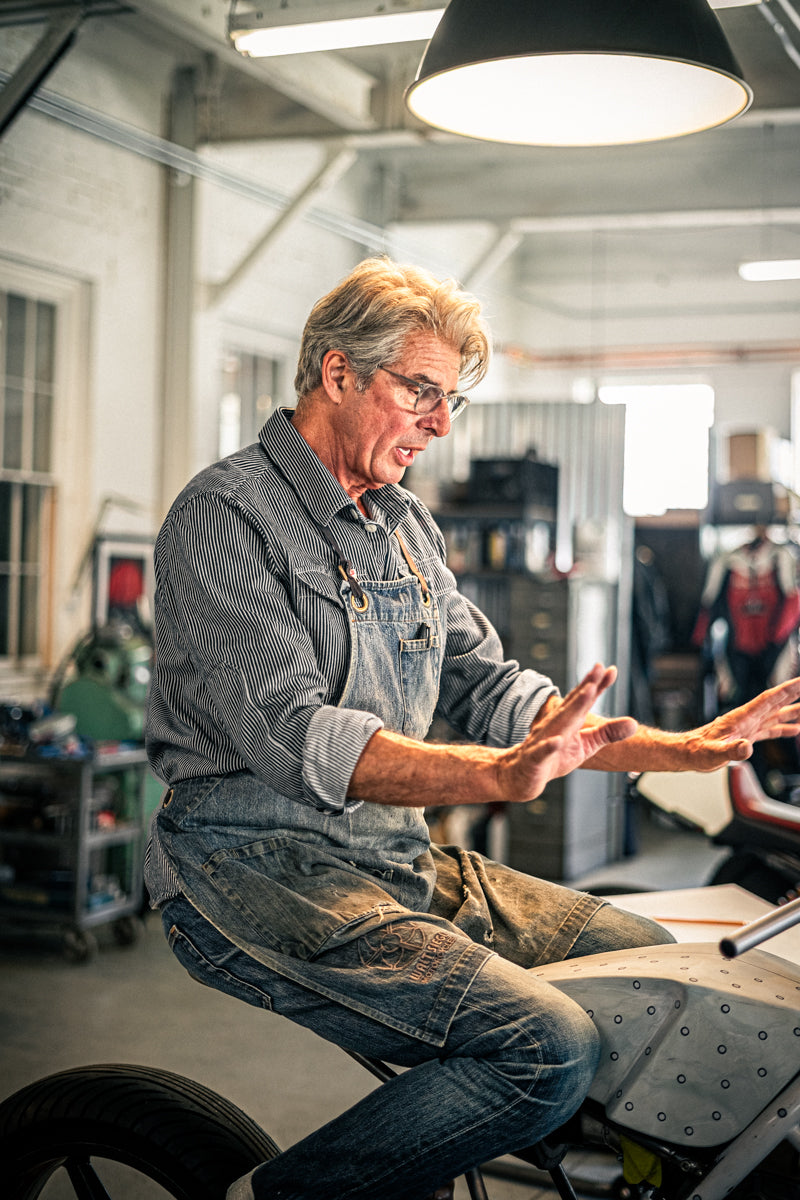
When I go to work, I make sure I am wearing work clothes. I wear an apron to protect my trousers and choose things that are practical for the environment I am in.
When I come home, I shower and change into something comfortable for dinner. Even when I am only going out to share a cup of coffee with my wife, I will change again and wear something that feels right for that moment.
It is important to me to feel good by wearing the right clothes for the right occasion. That is where evening wear comes from and where traditional dress requirements for certain events come from. You choose a set of clothes that recognises and celebrates what you are about to do.
QUICK ADD

QUICK ADD
QUICK ADD
What inspired the WSM flower and wheel emblem?
When I moved to the United States, I was surprised by how tightly motorcycle culture was connected with ideas of roughness and being a badass.
Where I came from, motorcycles were connected with racing and transportation. Riding one already involves a certain level of risk, so I never felt that you also had to carry that attitude into the way you presented yourself.
I thought a flower on a motorcycle might be an interesting idea. It created a contrast with that traditional image of motorcycle culture.
The emblem is a combination of a flower and a wheel. It is not based on one particular flower, but the petals have gradually developed a more mechanical appearance. I still hope it is recognisable as a flower, while also making a connection with the machines and the craft.
QUICK ADD
QUICK ADD
QUICK ADD
What does it mean to be a pioneer?
To me, pioneers are people pursuing unexplored ideas, disregarding the obstacles in pursuit of the goal. Sometimes that pursuit is for a greater public benefit, but sometimes it is not.
There has to be a willingness to go somewhere without already knowing exactly how you are going to get there. You follow the idea, work through what stands in the way and keep moving towards the thing you set out to achieve.

pioneers Sep 26
Pioneer Stories: Charley Boorman - Adventure, Friendship and the Open Road

Sep 26