June 26
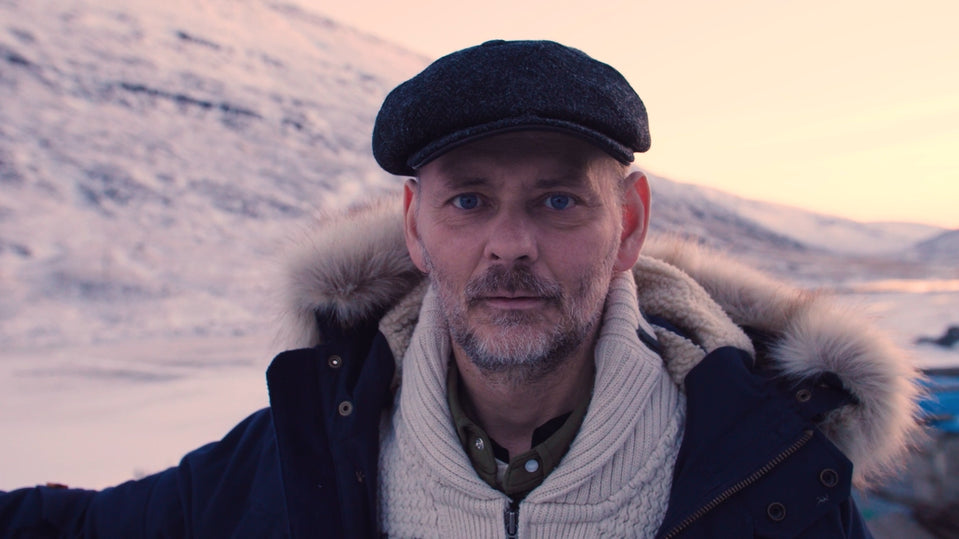
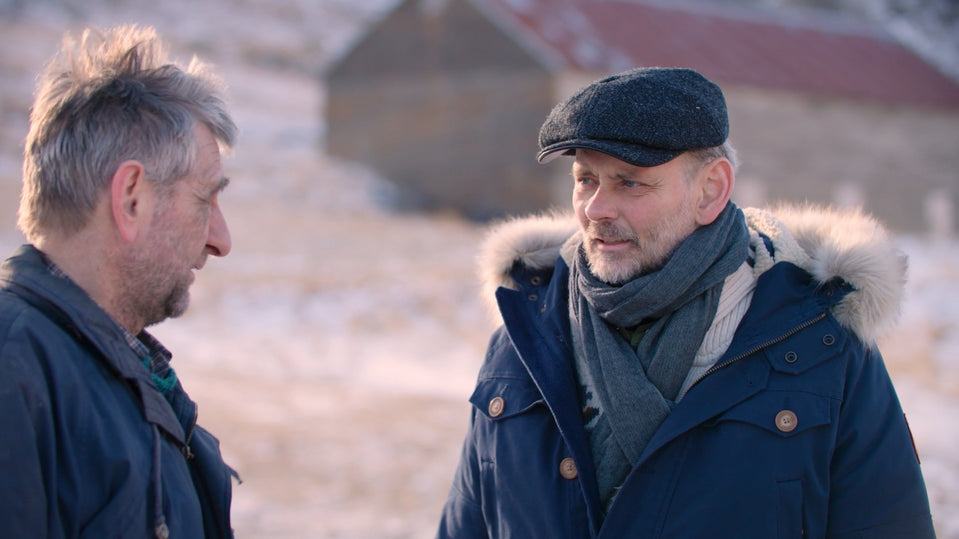
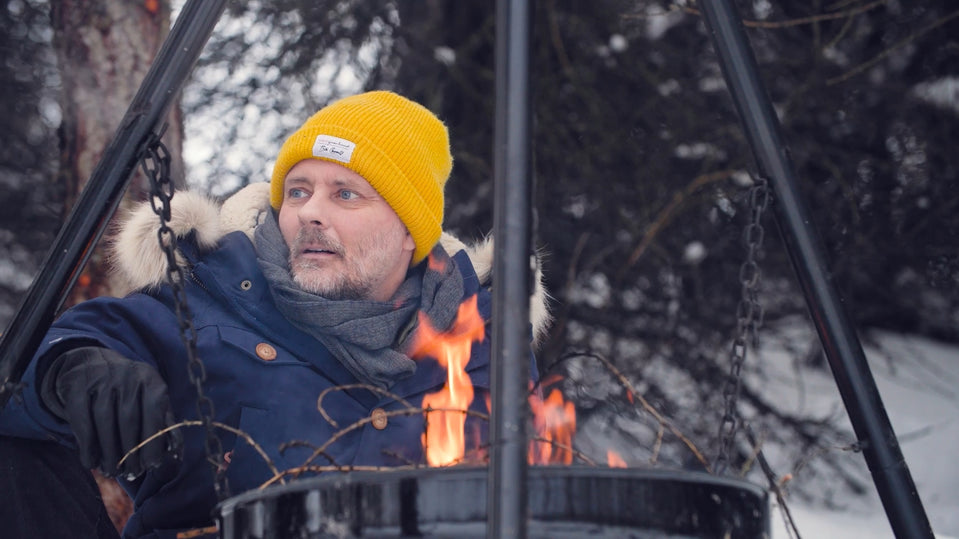
Denni Karlsson’s Story
Video created by SoulKind
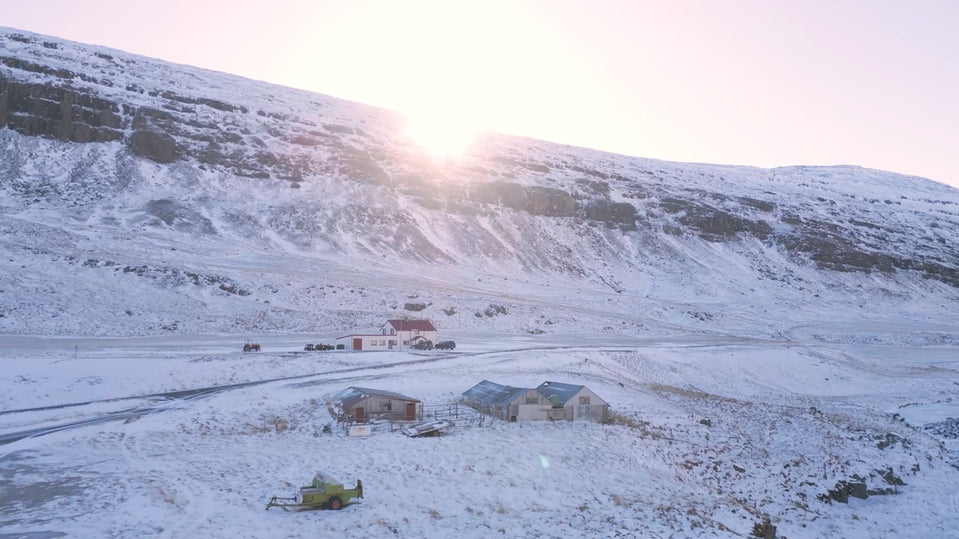
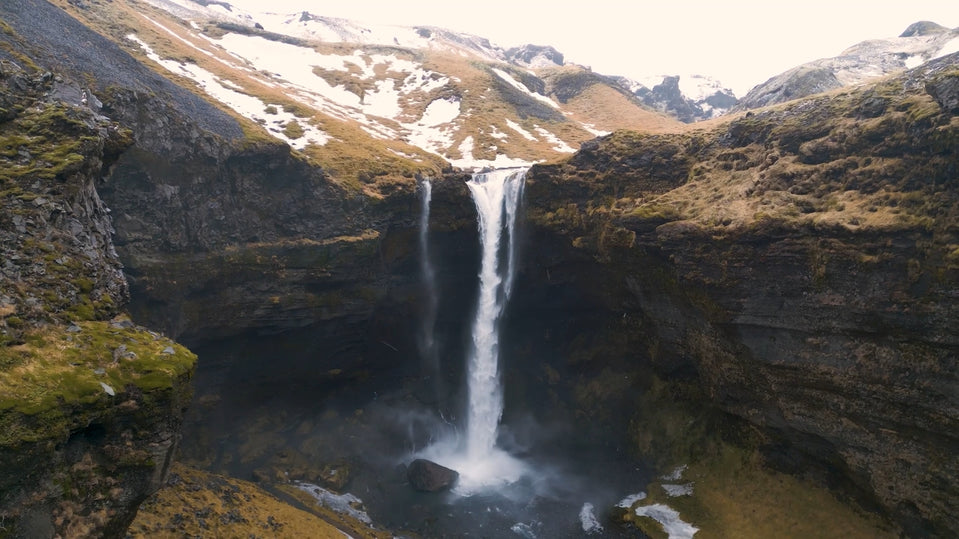
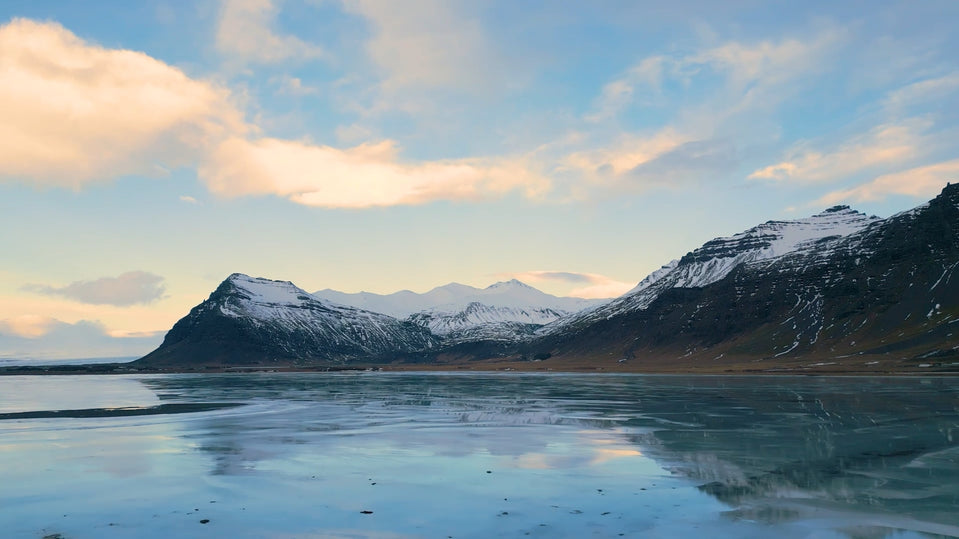
Denni Karlsson’s story is rooted in the far east of Iceland, in a valley surrounded by waterfalls, highlands, glaciers and mountains.
He first came here as a child, spending long summers in a landscape that would later pull him back after years working in film. What followed was a life shaped by remoteness, family, horses, nature, illness, and the belief that the wilderness can teach people something modern life often forgets.
This is the story of how Denni built the Wilderness Centre, why he chose a quieter life in a place others saw as the end of the world, and what that place still means.
Where It Began
For Denni, this part of Iceland has always been more than a place on a map.
As a child, he came here for summer holidays. Over time, those visits became longer. He would stay for four and a half months at a time, spending whole summers surrounded by the landscape that would later shape much of his life.
It gave him something early on.
Space. Quiet. A connection to the land that never really left him.
Leaving For Reykjavík
At 16, Denni moved away from his parents and went to Reykjavík.
He wanted to work in film, so that is what he did. He edited feature films and later began directing car commercials for Japanese and German clients.
It was a career built around travel, movement and long periods away.
For a while, that was his world.
Then he stepped away from the film business and returned to the remote part of Iceland he had known since childhood.
Some of his friends thought it was a strange decision. To them, moving so far out, to what felt like the end of the world, seemed hard to understand.
But once they visited, they understood.
There was less noise. Less distraction. Nothing pulling you away from the moment you were in.
Life In The Wilderness
What Denni loves about the place is simple.
It is quiet.
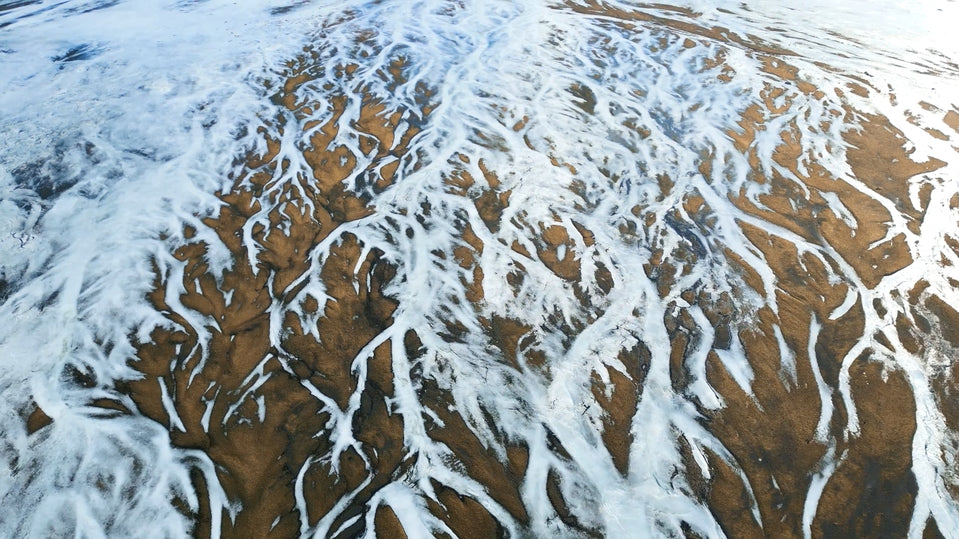
The wilderness is all around. Waterfalls, highlands, glaciers and mountains sit close by, with the biggest wilderness in Northern Europe as the backdrop.
The farm where he created the Wilderness Centre sits next to his family farm, in a valley far from Reykjavík. Very few people live there. In fact, half of the people in the valley are his relatives.
That sense of remoteness is part of what makes the place what it is.
It is not polished or overcomplicated. It is a working landscape, shaped by family, nature and history.
Building The Wilderness Centre
Denni started the Wilderness Centre to help people learn more about the nature and history of the Icelandic wilderness.
For him, it was about getting people excited about the land around them and helping them understand it in a deeper way.
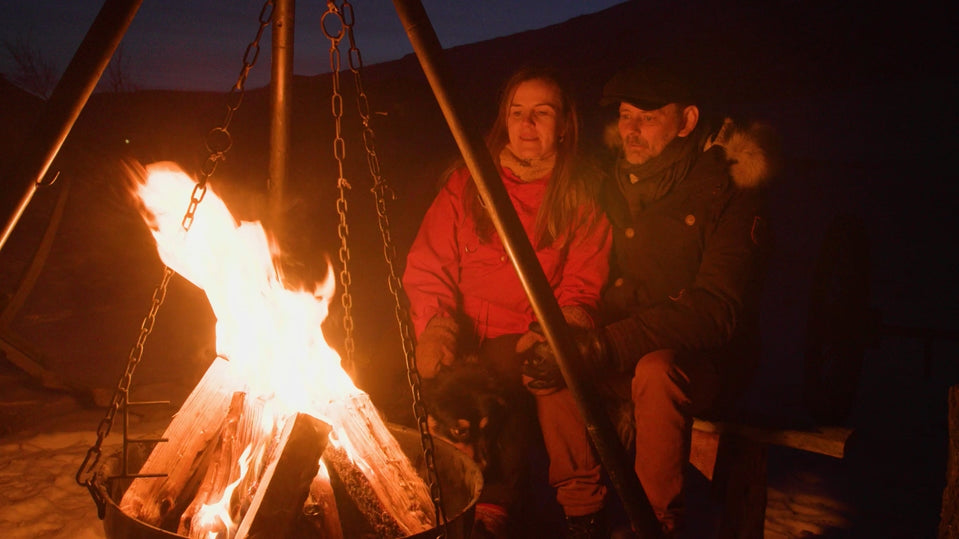
Horses became part of that work. Visitors, especially children, learn to be around animals and to connect with something that does not speak their language.
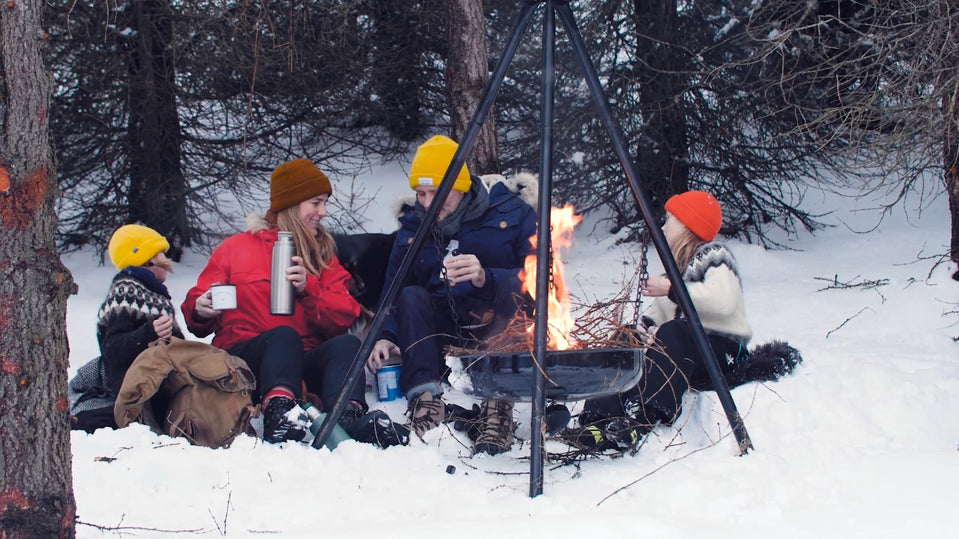
He also created a nature school project, built around teaching children the value of life. Not through money, but through enjoyment, respect and time spent outdoors.
For Denni, the wilderness is not only important for environmental reasons. It matters for the mind too.
That impact can be felt in the people who visit. He speaks about teenagers from Norway who came for six days, found it difficult, cried, and later described it as one of the best experiences of their lives. They came back the following year.
What Changed
When Denni was diagnosed with cancer, everything shifted.
The diagnosis was serious. Tumours were found in his brain, bones and lungs, and at the time, he did not think he had much time left.
He began to clear things up, sold the company, and started to put things in order.
After ten years of building the Wilderness Centre, stepping away was strange. The work had taken years of energy, care and commitment, but by then he no longer had the energy to continue carrying it in the same way.
What remains is the place he built.
A centre shaped by wilderness, family, animals, history and the belief that people still need time in nature.
For Denni, this place was never just about escape.
It was about learning how to live with more respect, more presence and a better understanding of what really has value.

pioneers Sep 26
Pioneer Stories: Charley Boorman - Adventure, Friendship and the Open Road

Sep 26
&SONS at Goodwood Revival with Chris Harris

pioneers Aug 26