November 25
Pioneer Stories: Alex Pole - Craft, Community and the Joy of Hot Steel
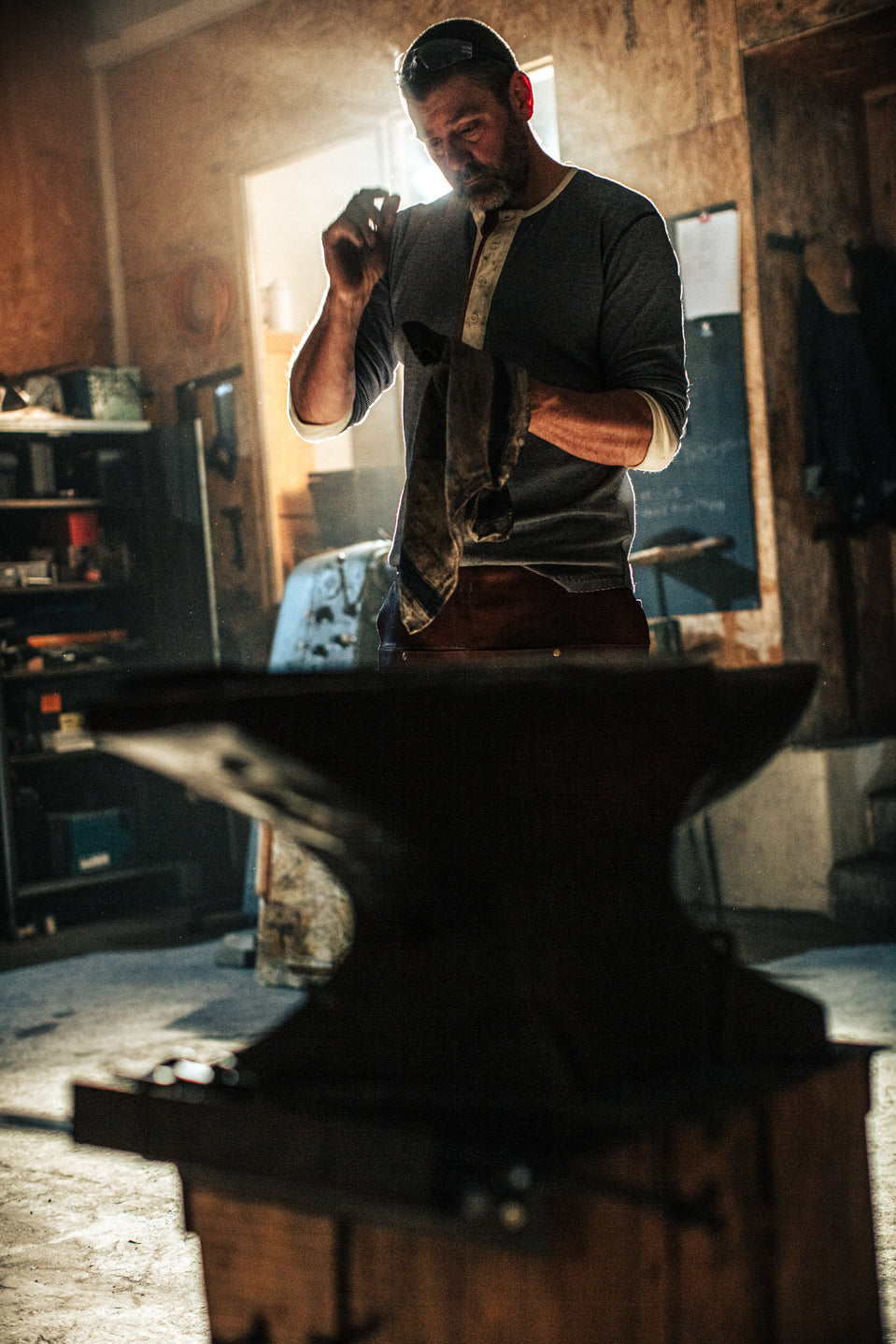
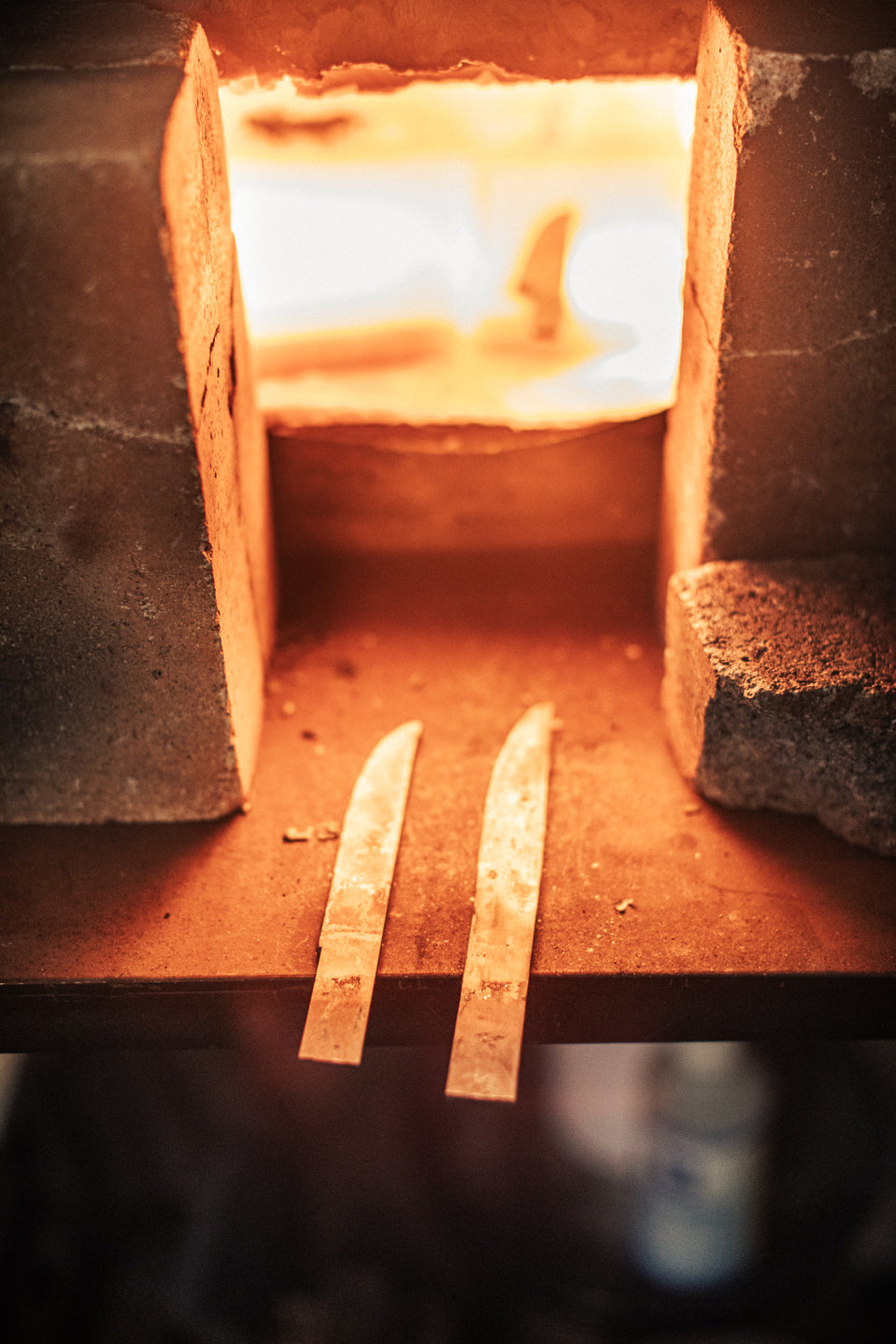
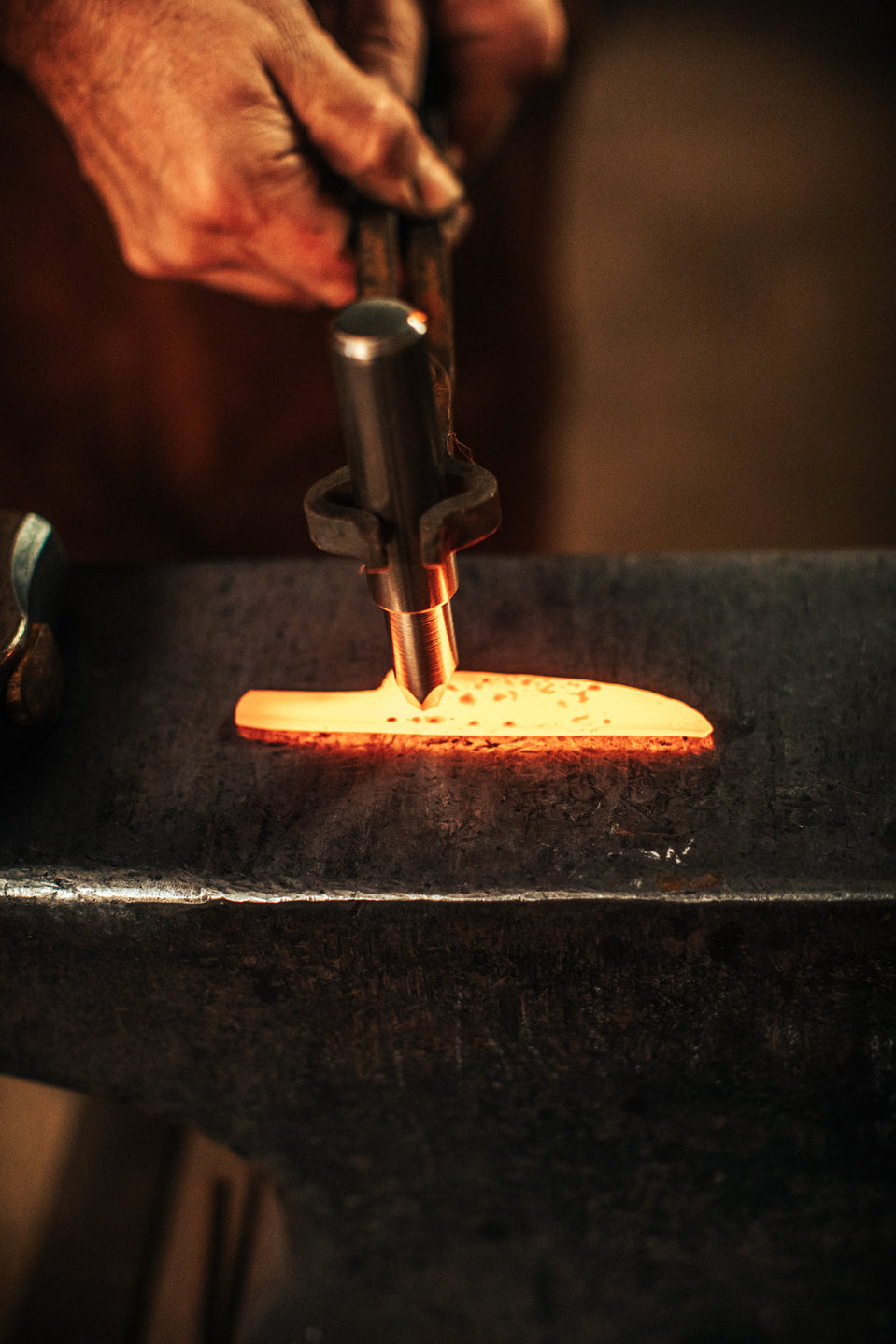
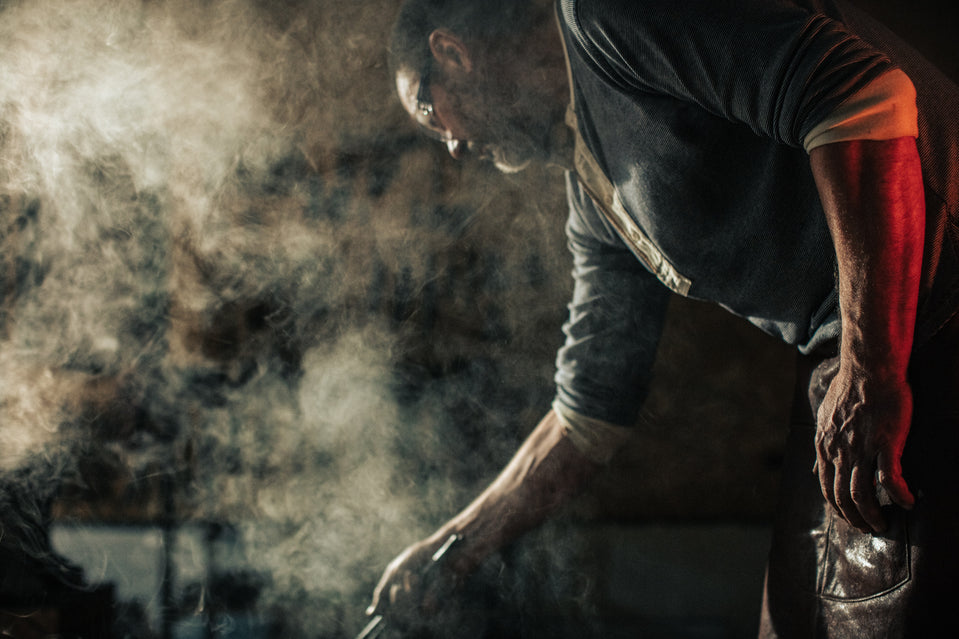
Blacksmith and toolmaker Alex Pole has spent more than three decades shaping hot steel into functional, beautifully crafted tools. His path has taken him from architecture to jewellery and eventually into the forge, where fire, design and durability meet.
In this conversation, Alex talks openly about the pull of craft, the realities of the workshop and what the future holds for blacksmithing.
What does it mean to be a pioneer?
“A pioneer is someone who’s forging ahead. To coin a phrase. Someone who’s going ahead of things before all the answers are worked out. That’s what it feels like most days in the forge, to be honest.”
How did your journey lead you from architecture to jewellery and eventually blacksmithing?
“I started out studying architecture, even though I’d always loved art. At school I was more in the rugby world, so I never really did any. At university I wandered into the jewellery department one day, and I can still remember that moment. I thought: that’s what I’m going to do for the rest of my life."
“That led me into jewellery properly, then bigger ironwork like gates and railings, and now full circle back to smaller pieces again. Toolmaking gives me that mix I love, the finesse of jewellery and the practicality of blacksmithing.”
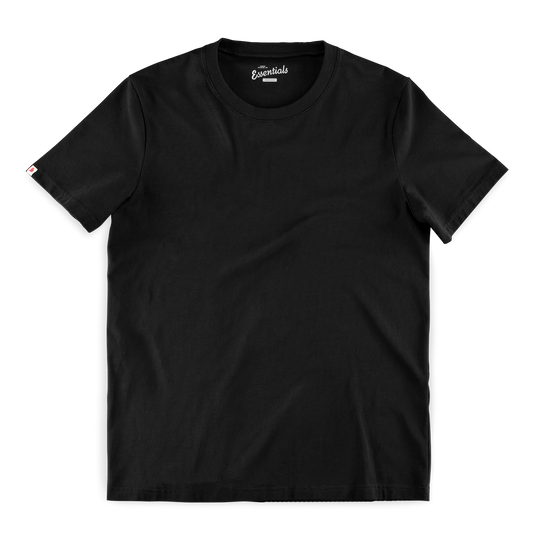
QUICK ADD
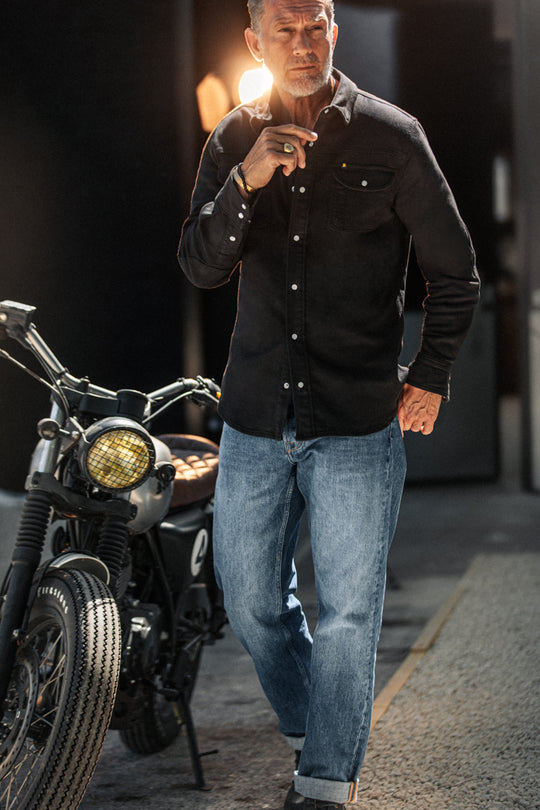
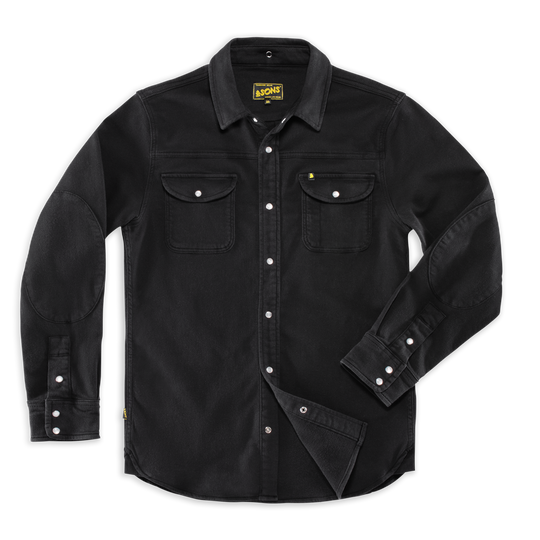
QUICK ADD
What makes blacksmithing and toolmaking so special to you?
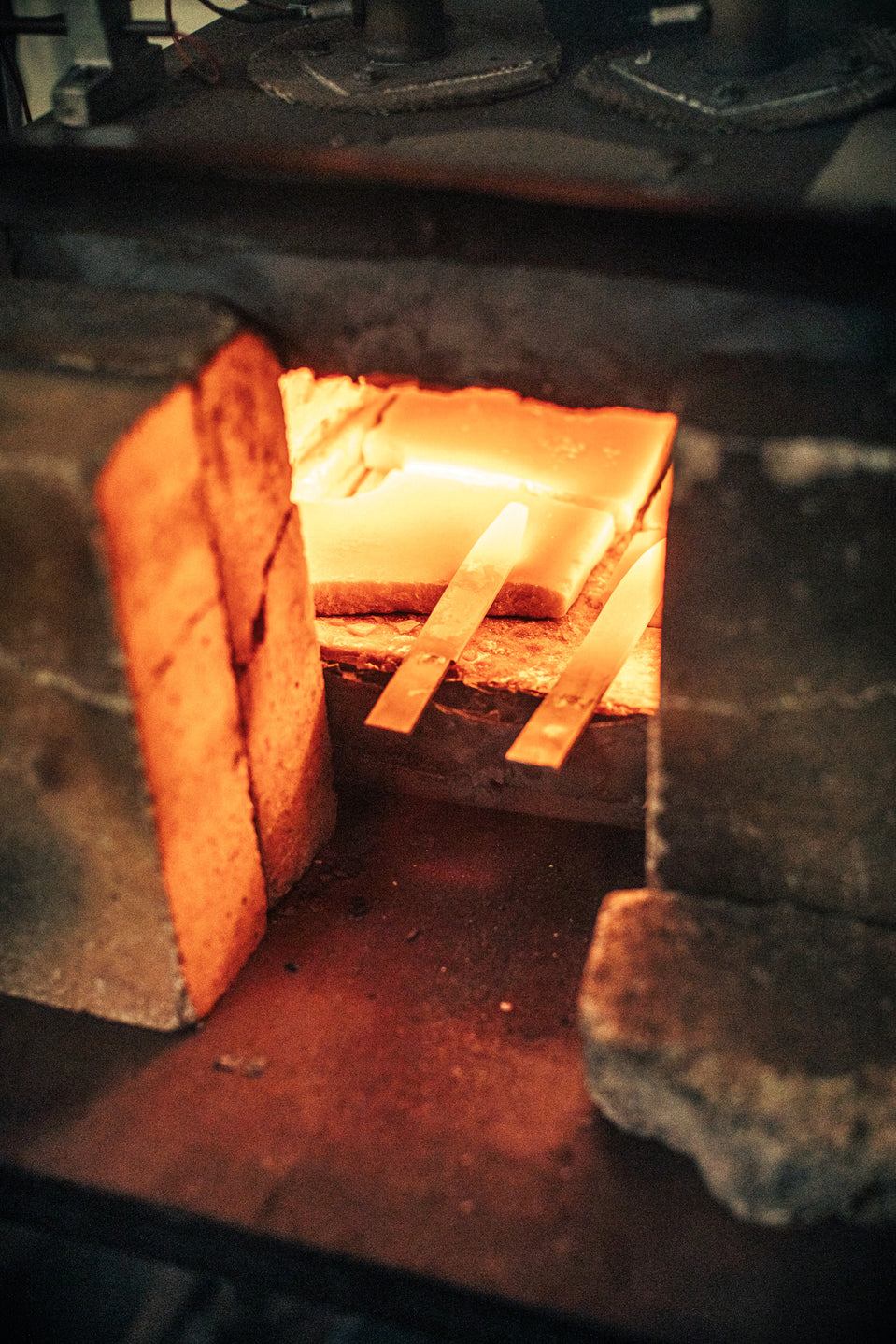
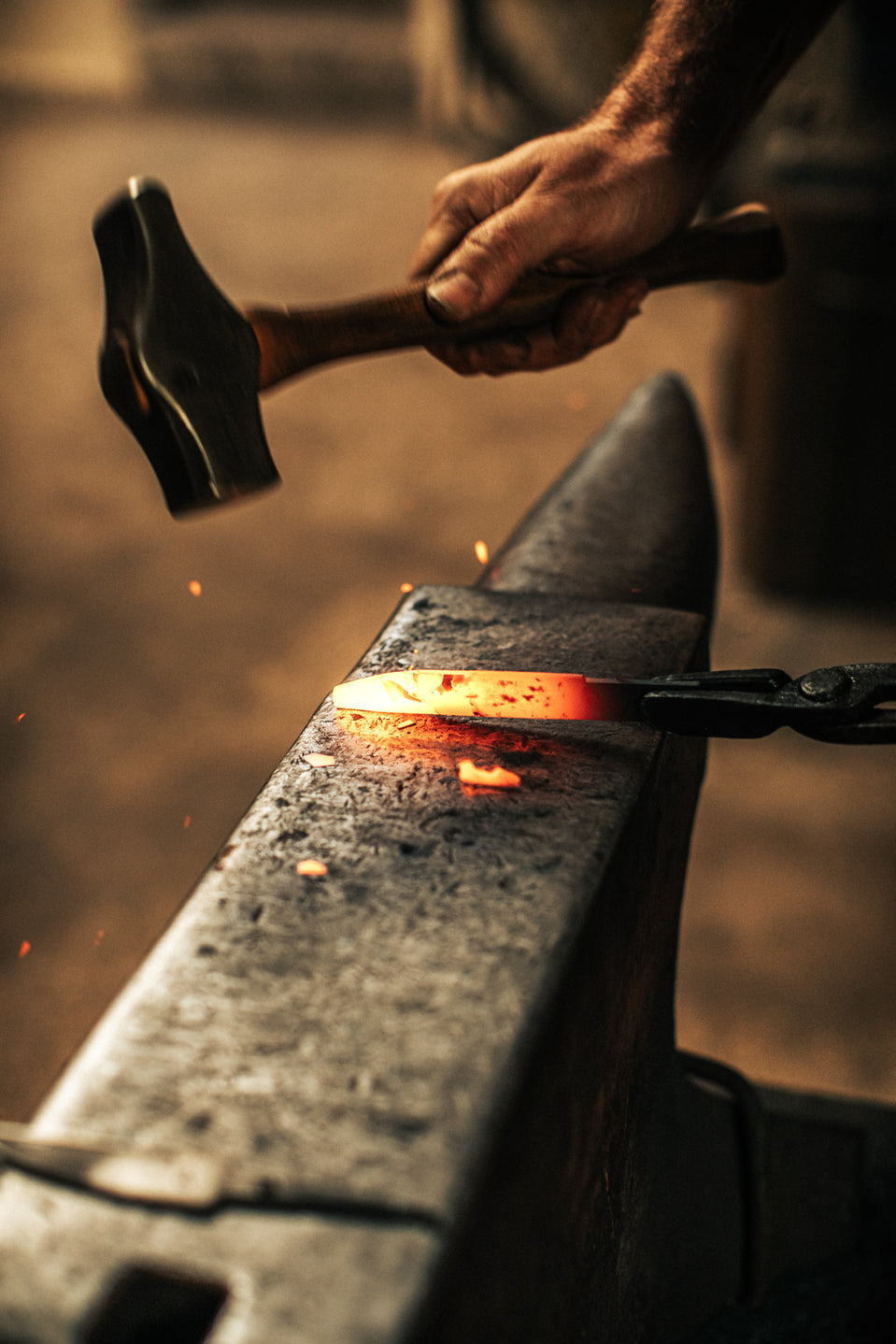
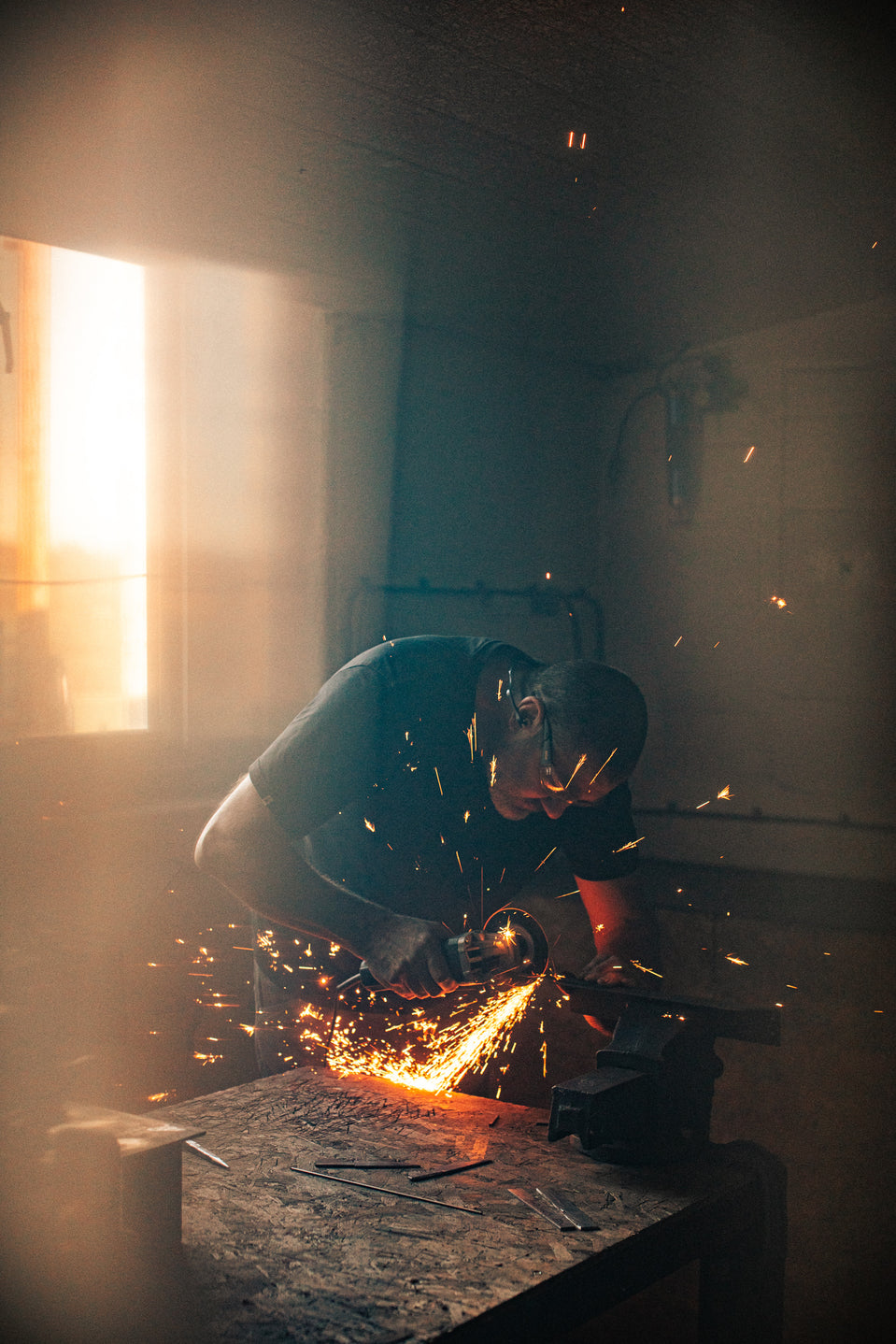
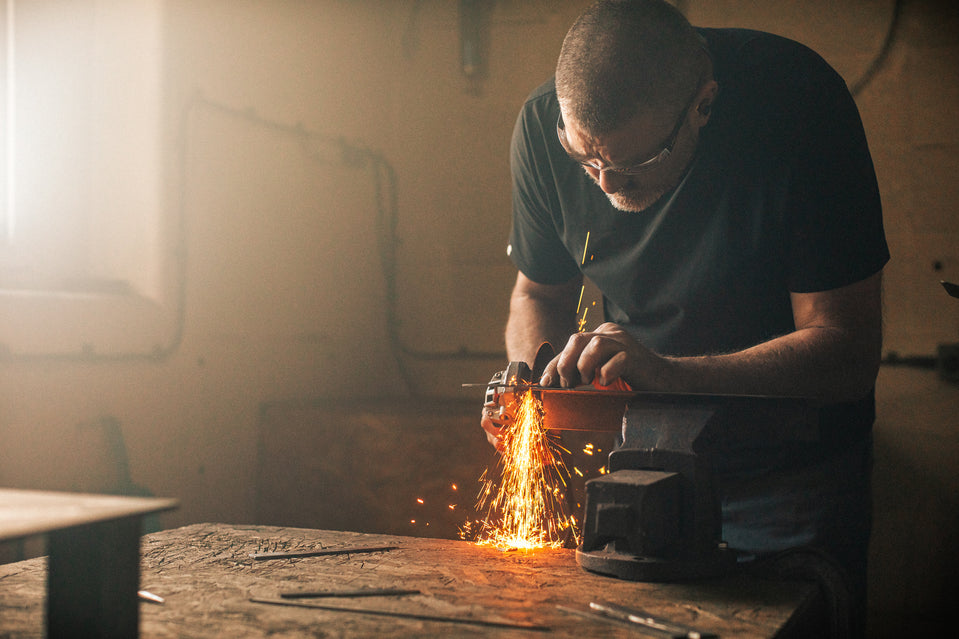
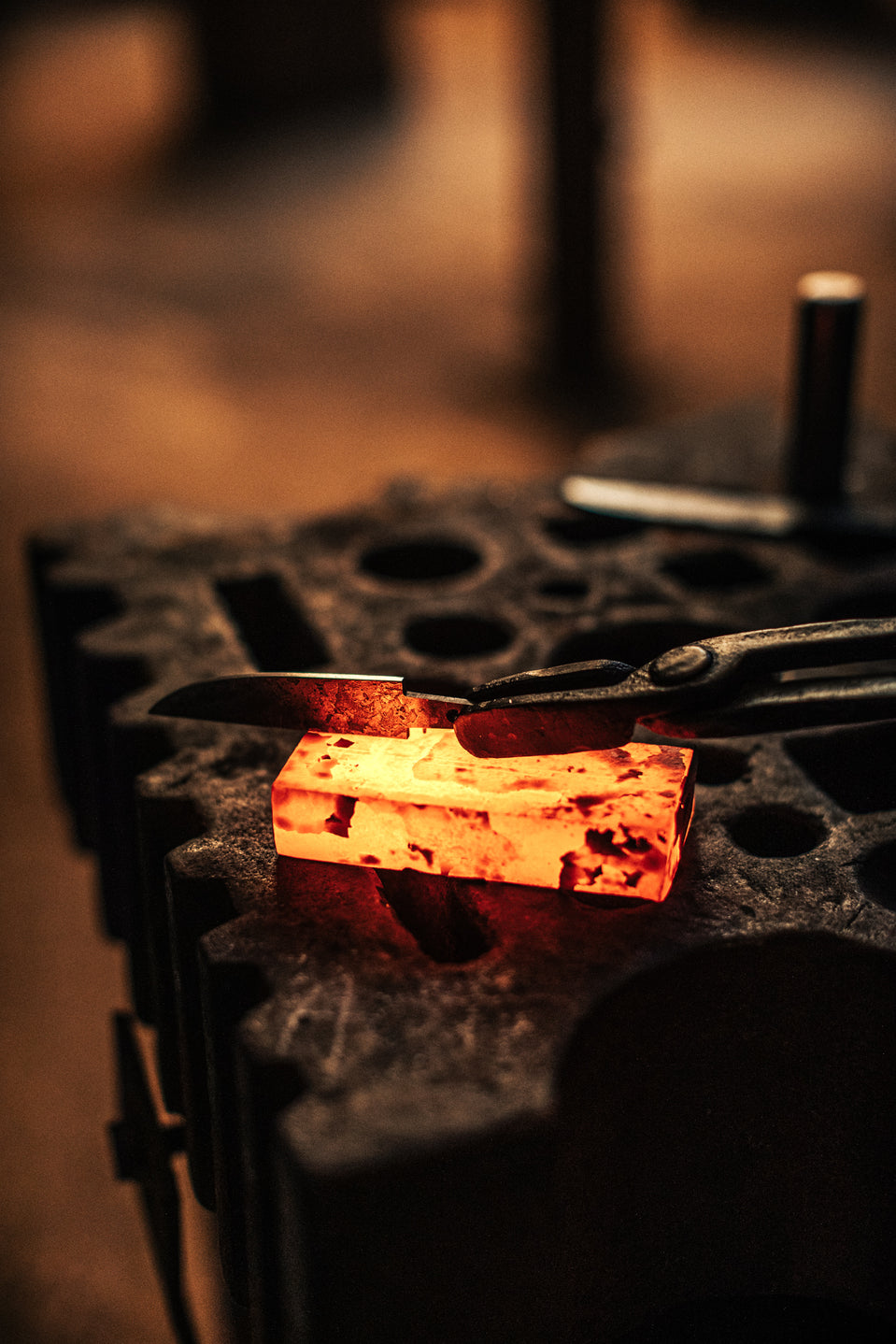
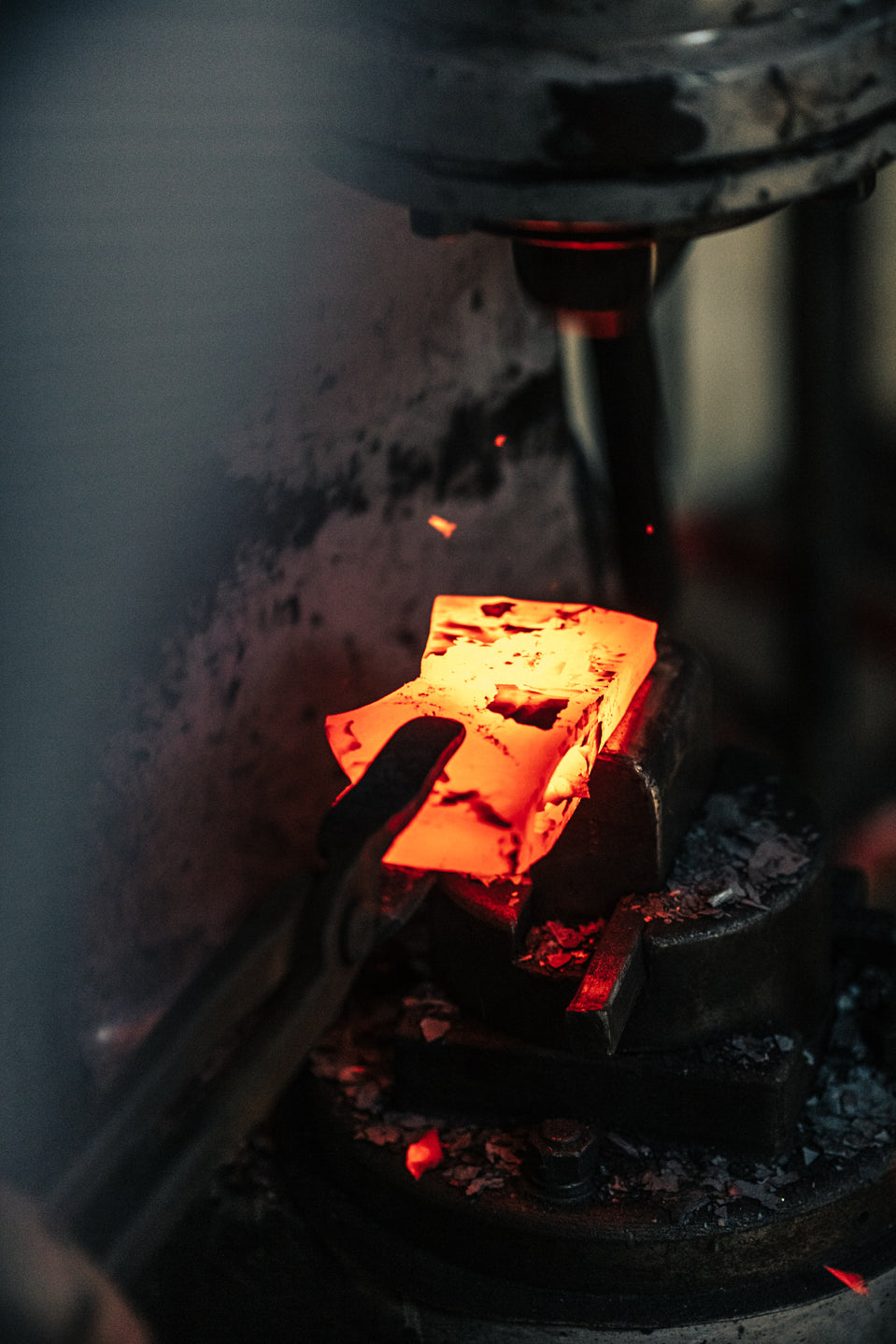
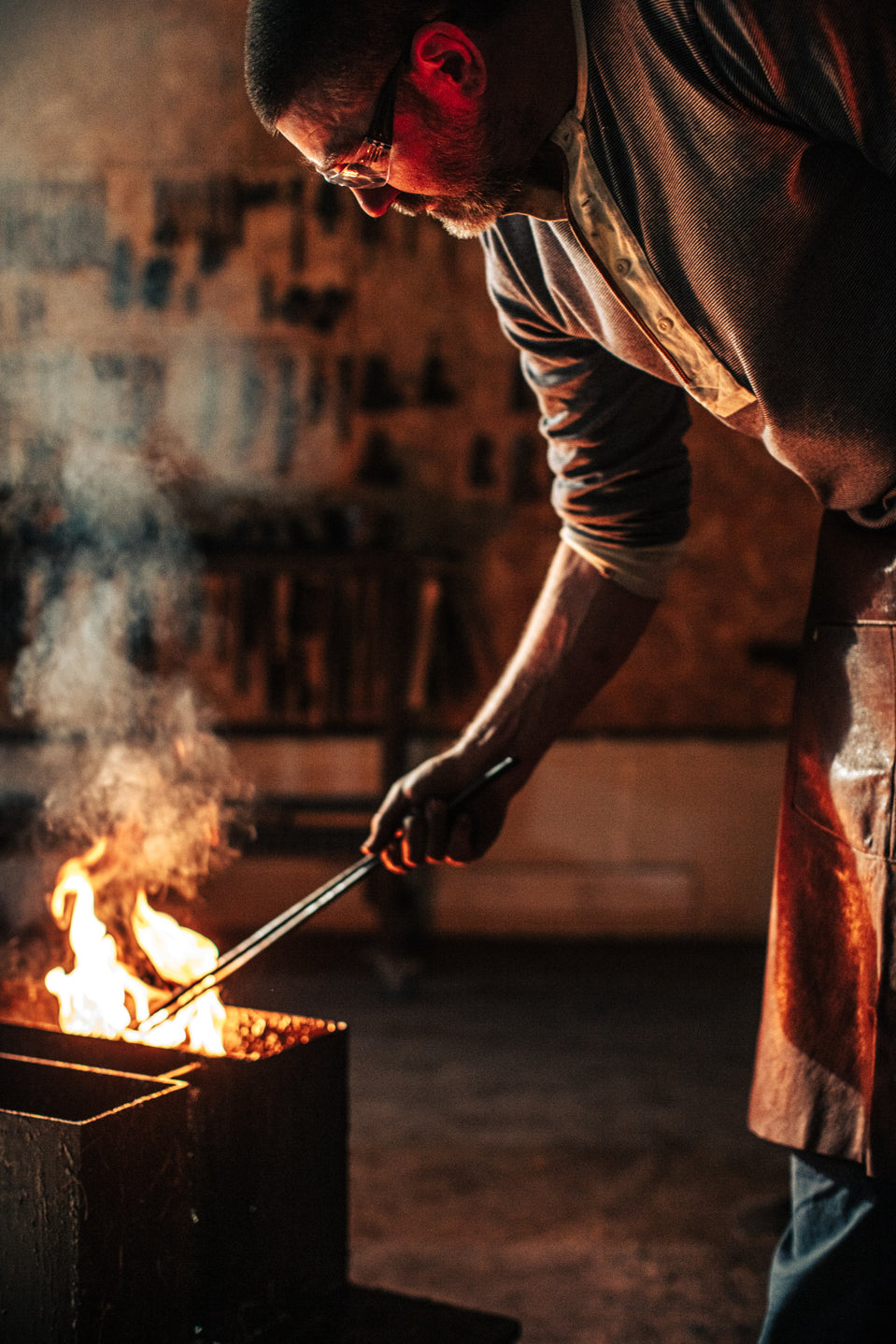
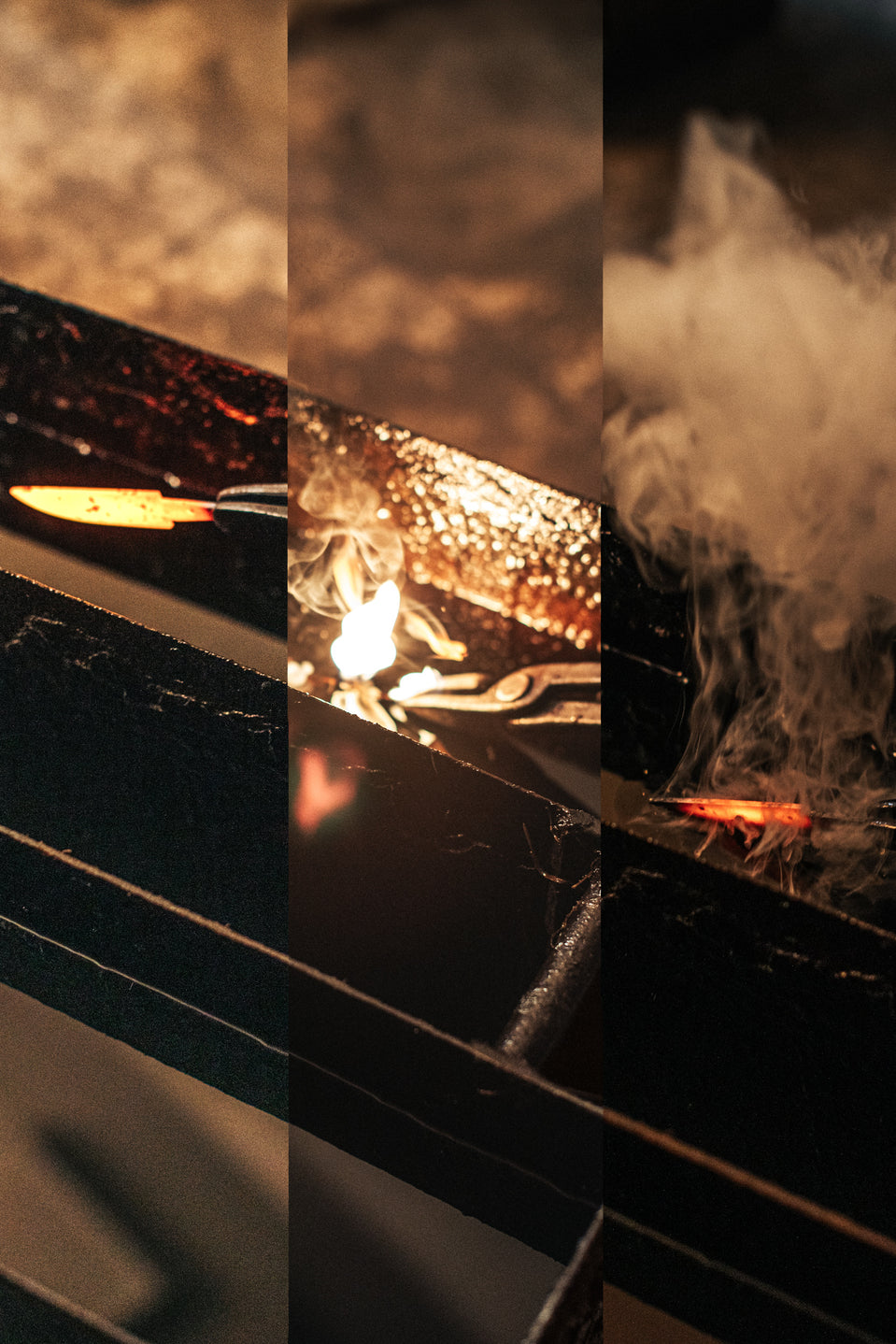
“For me it’s a childlike joy. We get to come in, light the fires and literally play with hot steel. And at the end of it you’ve made something genuinely useful. There’s huge satisfaction in that full circle of idea, making, and someone using the tool.
“Jewellery is beautiful, but it felt a bit frivolous for me. I need function. I’m all about things that actually work.”
What does a typical day in the forge look like?
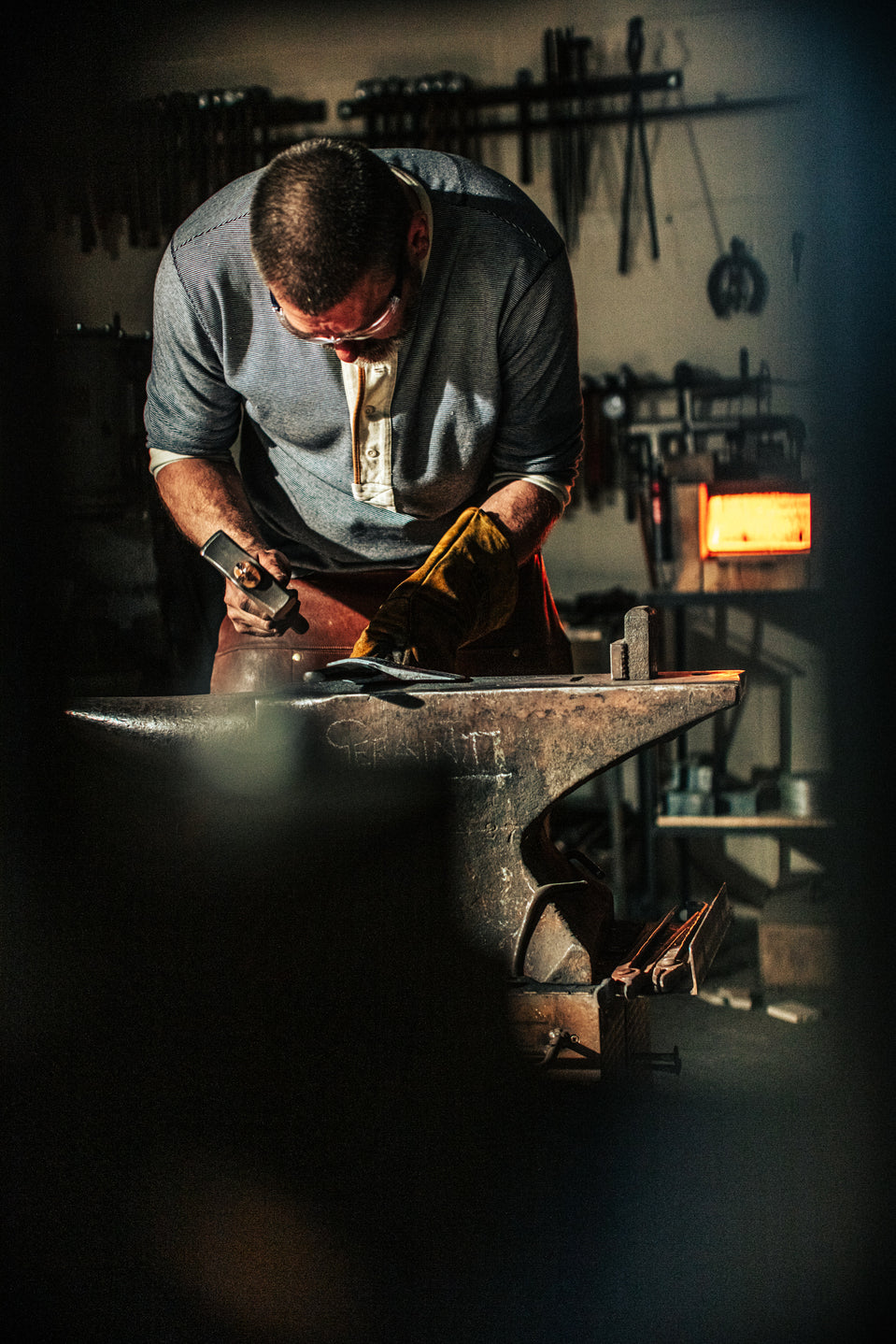
“There are no typical days here. We start early, grab a coffee, chat about what happened the day before and plan who’s doing what. There are only four of us, so we run small batches, maybe twelve to twenty-four pieces.
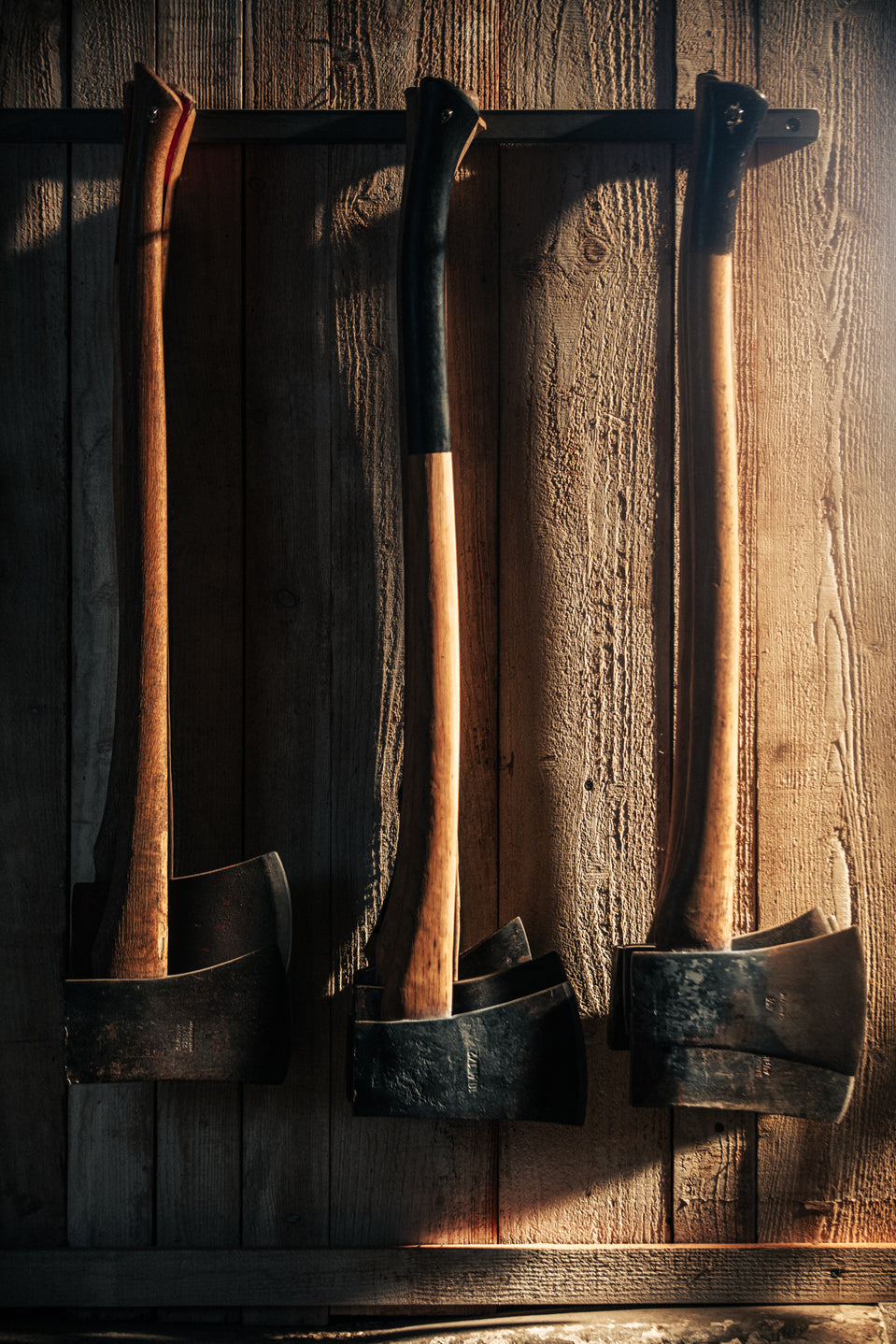
“It’s physically demanding, so we work in hard blocks with breaks in between. Jack and I tend to do the heavier stuff like knives and axes. We’ll finish around six and sometimes nip off for a beer. It’s intense, but it’s a good rhythm.”
You spent several years in Western Australia. How did that shape your craft and your life?
“My father moved out there in the 90s, and to be honest I needed to escape. Things were getting pretty wild here and he sent me a ticket, told me to come out and dry out a bit. I went for four months and ended up staying seven and a half years.
“I found a jewellery studio, we set up a business, and that time gave me a lot of grounding. It changed the direction of everything.”
Social media plays a big role in your work. How do you feel about it?
“It’s a double-edged sword. When it started, it was incredible. You’re in a forge on your own for 60 or 70 hours a week, and suddenly you can connect with people everywhere. Most people have never seen inside a forge. Showing that daily life was amazing.
“But it’s shifted. It’s more advertising now, less about the makers. People can make more money filming themselves than making the actual craft, and that’s sad. I could make an axe, film it, and earn more from the video than the tool itself. That’s dangerous for the craft. Saying that, 60 to 80 percent of our sales come through Instagram, especially in America, so it’s still essential.”
QUICK ADD
How do your earlier creative influences show up in the work you make now?
“Oh yeah, definitely. I recently did a series using a motif from my degree show thirty years ago. As I get older and the body starts to creak a bit, I’m doing less heavy work and focusing more on detail. Toolmaking is the perfect combination: the design and finesse from jewellery, the physicality and heat from blacksmithing.”
How do you balance form and function in your tools?
“Function will always win. There’s no point making something beautiful if it doesn’t work properly. But for me it still has to look good. That balance is the whole thing. I’m really a product designer who works in hot metal. Getting both right is the skill.”
You’ve spoken a lot about the blacksmithing community. Why is that connection so important?
“We’ve always had an open-door policy. Any blacksmith can come in, whether it’s an hour or two days. That’s very traditional. Before social media, the craft could be really isolating. One of my mentors asked me years ago, ‘How do you deal with the isolation?’ and back then there wasn’t much of an answer.
“We’re hosting a forge-in soon, about thirty people coming to make axes, share ideas, build community. Post-COVID people closed off a bit, so rebuilding that connection matters. It keeps the craft alive.”
What do you think the future holds for blacksmithing?
“For most of my career people have called it a dying art. But in the last ten years it’s grown. TV, YouTube, the craft movement, all of that has brought new interest."
“What scares me is the same thing driving the popularity. If people just chase views, sponsorship and fast results, they’ll lose the essence of what it is to be a craftsman. It takes decades. I’ve been doing this thirty years and I still don’t know anything. The speed of society can be dangerous for craft, but also the reason people are discovering it.”
And finally, how important is durable clothing in your world?
“We need clothing that’s hard-wearing. The forge is heat, smoke, grease, oil, sparks. Clothes that don’t fall apart. Traditionally you’d have work clothes that lasted years. Lately people buy cheap jeans, burn a hole in them and replace them. That mentality has to change."
“If I can wear a pair of trousers for five or ten years, that’s brilliant. Better for the planet, better for your bank balance. It’s the same philosophy we use for tools: buy it once, and it should last.”
QUICK ADD
QUICK ADD

Oct 26
&SONS DECADE COLLECTION

pioneers Sep 26
Pioneer Stories: Charley Boorman - Adventure, Friendship and the Open Road

Sep 26